
The 2016 State of Conversion Optimization Report
In this 2016 State of Conversion Optimization Report, we gave a 48 question survey to 722 people who work in the optimization space.
In this 2016 State of Conversion Optimization Report, we gave a 48 question survey to 722 people who work in the optimization space.

CXL Live 2016 was a smashing success. The speakers were amazing, the resort phenomenal, and the networking world-class.
When you’re doing conversion optimization, one of the hardest parts is finding opportunity areas to optimize. Finding places people are dropping out is important in setting up a prioritized testing plan.
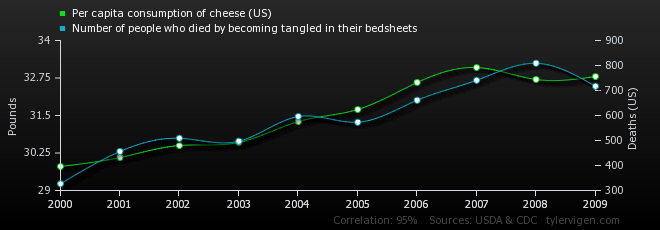
Equally valuable is finding activities that correlate with higher customer success – whether that be RPV, LTV, or whatever metric you’re optimizing for.

We often talk about online conversion optimization without mentioning that many businesses, especially B2B, rely on offline sales to produce revenue.
The two aren’t disconnected, though. There’s a lot we can do online to help increase sales. It starts with sales enablement.

A while back, Seth Godin published a list of things that “every good marketer knows”. Among that list was: “Anticipated, personal, and relevant advertising always does better than unsolicited junk.” His conclusion was that there is a very big difference between knowing and doing.
Good marketers continue to send unsolicited junk. [Tweet It!]
Transactional emails are the key every good marketer is talking about, but that few are doing something about.

You know that a good user experience leads to more conversions. You also know there’s always room for improvement, and you’re never done optimizing. There are always areas of opportunity.
One of the biggest areas of opportunity, for most companies at this point in time, is mobile optimization. How is it different and how can you improve the mobile user experience?

You’d think conversion optimization and SEO should play together nicely, right?
In theory, conversion optimization aims to improve the user experience, which, conveniently, is what Google wants to do as well with their top search results. Therefore, the more you test and improve your site, the higher it should appear in the rankings. You get more traffic, more conversions, more money – in an endless hockey stick shaped cycle.
Of course, it’s not so simple.

Data should speak for itself, but it doesn’t. After all, humans are involved, too – and we mess things up.

So you ran a test – and you ran it correctly, following A/B testing best practices – and you’ve reached inconclusive results.
What now?

If your site isn’t credible, you’re scaring off many would-be buyers. But credibility is contextual, and some attempts to add credibility can backfire.
How, then, can you create a web page that inspires trust, not skepticism—that aids a purchase instead of deterring it?