10 Useful Findings About How People View Websites
Eyetracking and other user research have studied how people look at websites. Here are 10 useful findings you can use.
Eyetracking and other user research have studied how people look at websites. Here are 10 useful findings you can use.
Navigation gives a user control, which is generally a good thing—but what about on a landing page, where the motto is “one page, one goal?” Should you use navigation on landing pages?
While there’s not a one-size-fits-all answer (there never is in optimization), we do have some good data by which we can make a decision.
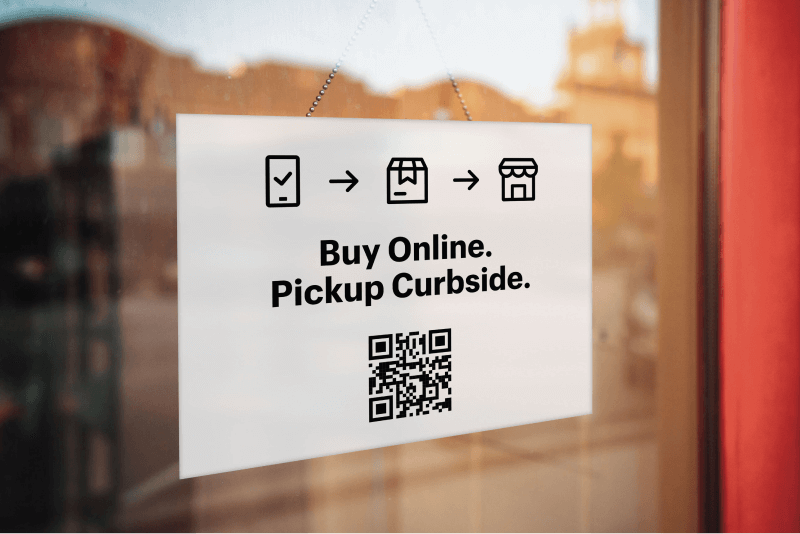
Consumer shopping behaviors have changed dramatically since the onset of the coronavirus pandemic, with ecommerce retailers seeing unprecedented growth in traffic and sales.
While retail stores are slowly beginning to reopen, many consumers have made online shopping their new default. Some 71% of U.S. adults plan to do more than half of their holiday shopping digitally this year.

Have you ever heard of the “significant objects” project?
As a literary & anthropological experiment, Rob Walker and Joshua Glenn wanted to see if they could resell cheap knickknacks (avg. cost $1.25) on eBay and turn a significant profit by adding personal stories to the item descriptions.

It’s a well known that most people do not buy from you on their first visit. In fact, a study from Episerver showed that “92% of consumers visit a brand’s website for the first time to do something other than make a purchase.”
While there are many factors that go into getting consumers ultimately purchase, popups can be quite effective at getting your visitors to buy but are quite controversial.

Your new boss read that customer experience (CX) improvements can deliver billions in additional revenue. So HR hot-footed it onto LinkedIn and recruited you to make this a reality.
As if expectations like that weren’t enough, you might have heard that one in four CX employees are predicted to lose their jobs this year–if you can’t prove value, you don’t get a paycheck.

Optimizing your SaaS pricing page for mobile devices is doubly tricky. It’s tricky to optimize your pricing page in the first place, but optimizing it for such a small screen complicates things further.
To add fuel to the fire, it can be hard to see the value in optimizing a pricing page for mobile. Mobile B2B customers are just browsing and don’t intend to purchase anyway, right?

80% of people never leave home without their phones in hand.
We do everything with it, including shopping, research, social media and more.
Whatever your business is, an ever growing chunk of your target customers are using their mobile devices instead of computers to go online.
Here’s what you need to know about mobile internet users and their purchasing behavior.

Pop quiz time! When you think about optimizing your website to increase conversions, what are some of the first things that come to mind?
Do you think about copy? Headlines? The need for a strong call to action?
If you thought about any of those things, you aren’t alone. Recently Ott mentioned in the Mastering The Call To Action article, a study of Visual Website Optimizer’s customers shows most people are testing:

An average of 67.75% of all online shopping carts are abandoned according to Baymard Institute, an independent web research company.