Psychology

Things people believe in

People often choose to believe in things that are just not true.

The Great Wall is the only human made object viewable from space. All Vikings helmets had horns. Vaccines cause Autism. 5G causes causes cancer. You get the idea.

Here are 11 things that a lot of us in marketing believe, but shouldn’t.
Keep reading

As the marketing industry developed, researchers dove deeper into buying behavior and buyers’ minds. One early researcher was Edward Bernays—Sigmund Freud’s nephew—who coined the term “public relations.”

Bernays believed that people could be influenced via crowd psychology and psychoanalysis. His “Torches of Freedom” campaign in the 1920s promoted smoking among women as a symbol of liberation, opening a new market to cigarette companies.

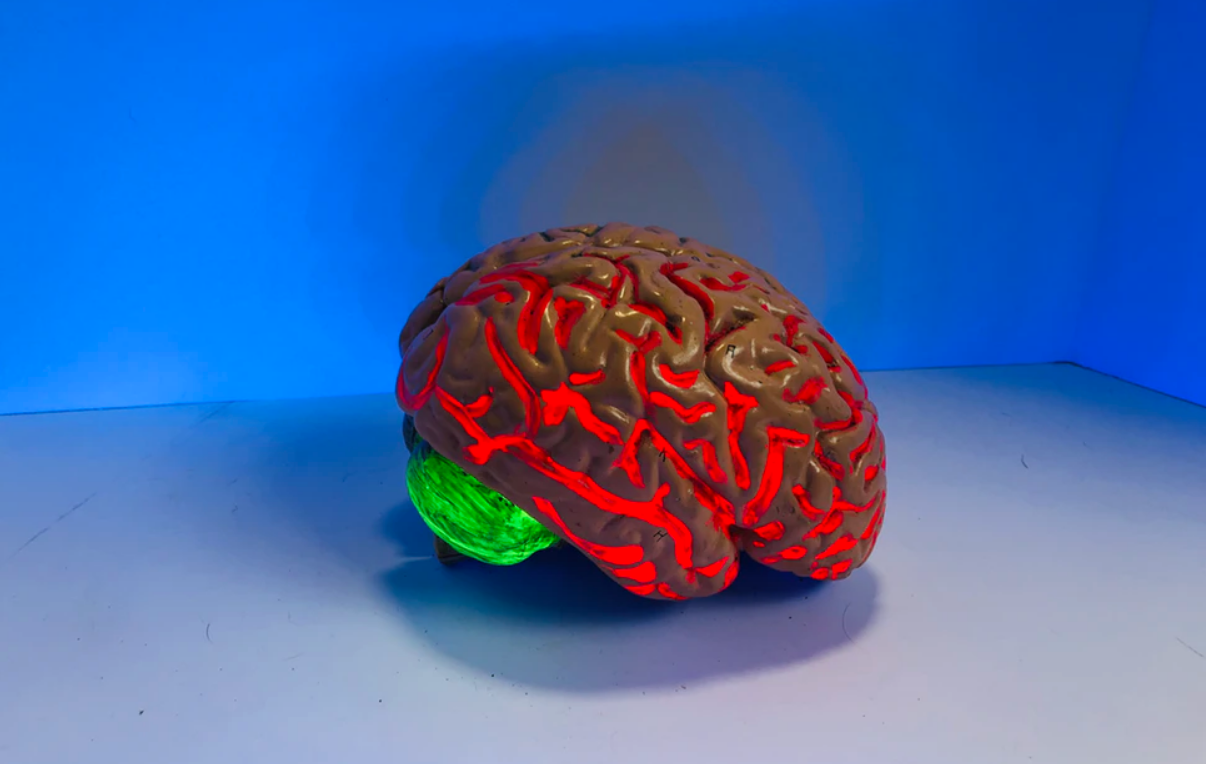
Decades later, in 2002, Dutch marketing professor Ale Smidts coined the term “neuromarketing.” Neuromarketing maps neural activity to consumer behavior to help marketers craft more valuable, science-based campaigns. 

Keep reading

The carefully evasive proposal included intriguing tidbits: Jeff Bezos laughed when Mr. Kamen assembled an It for him [. . .] The proposal also included proclamations from tech-world celebrities like Steve Jobs, Apple’s founder, that the device might change urban life and could be as significant as the development of the personal computer.

The New York Times, January 2001

Dean Kamen’s code name for the project was “Ginger.” That was all most people knew. But few could wait to learn more. Deprived of source material, journalists wrote articles about articles. Finally, in December 2001, came the big reveal: Ginger was the Segway. 

Keep reading

Categories

AI agents for B2B marketing

Automate content, SEO, and ads. Add buyer strategy, content funnels, apps, and AI readiness.

This program is designed to keep you up-to-date with B2B marketing and AI.

Check out the program