When everyone can create content, let’s talk about how to create authentic connections with human-centric brand design using effective B2B marketing strategies.
In 2023, I delivered a keynote at Marketing Indaba in Cape Town and made a prediction that felt bold at the time: we were about to witness an explosion of AI-generated content that would fundamentally change how brands compete for attention.
Today, that prediction has become part of everyday life.
What seemed like a distant future in 2021 became mainstream almost overnight. Generative AI swept through every industry, creative field, and marketing department soon after its arrival, changing how we work almost overnight. Suddenly, anyone could write “compelling” copy, generate stunning visuals, and produce content at a scale once reserved for large creative teams.
But here’s what I’ve learned in the two years since that talk: The brands making the biggest impact are the ones that keep a clear sense of humanity at the center of everything they create with the help of AI.
Table of contents
The content deluge: When everyone can create, what matters?
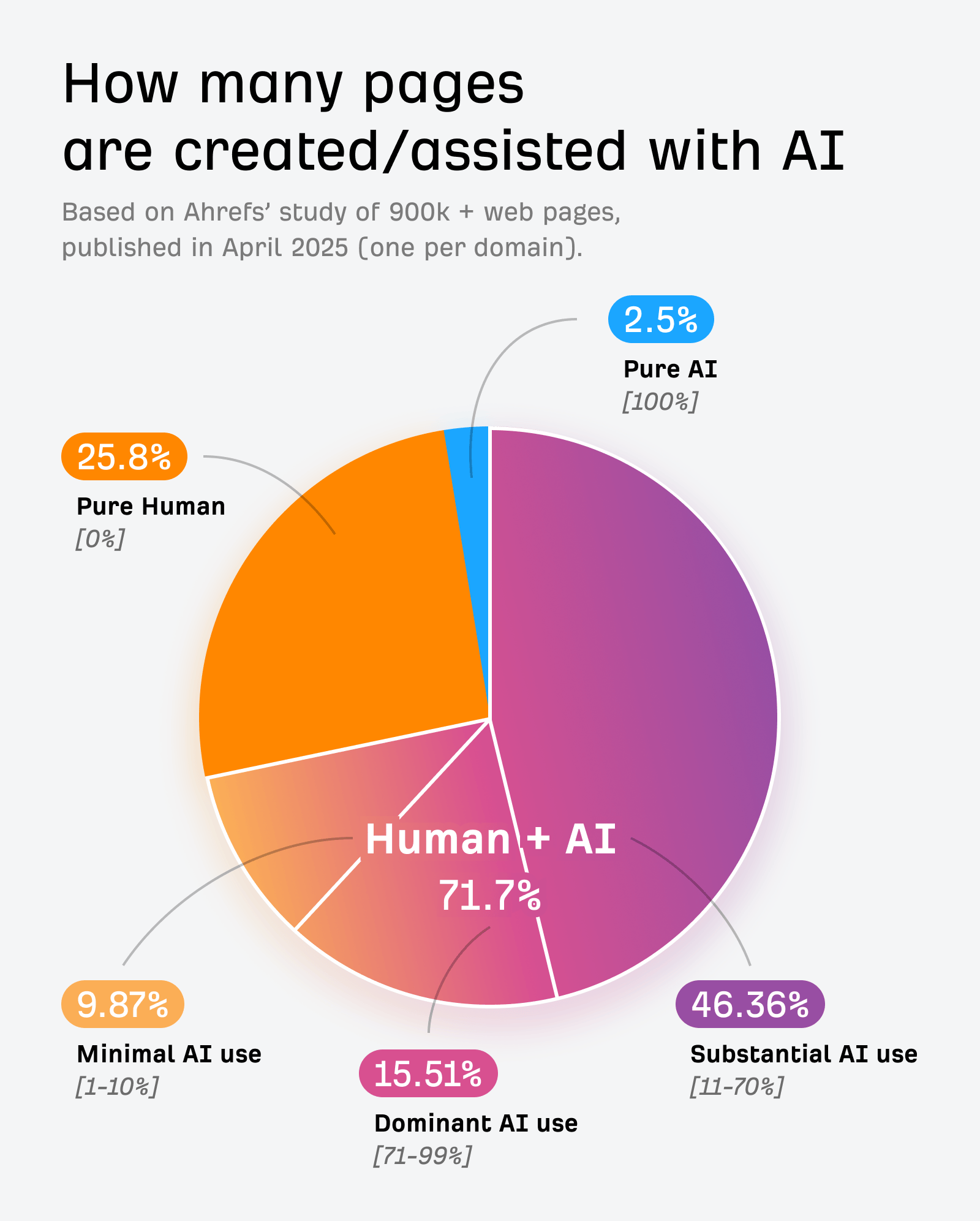
The internet has long reached saturation. And every day, millions of AI-generated blog posts, social captions, product descriptions, and marketing emails spill into the digital ecosystem. The fast, AI-driven content I warned about has become business as usual.
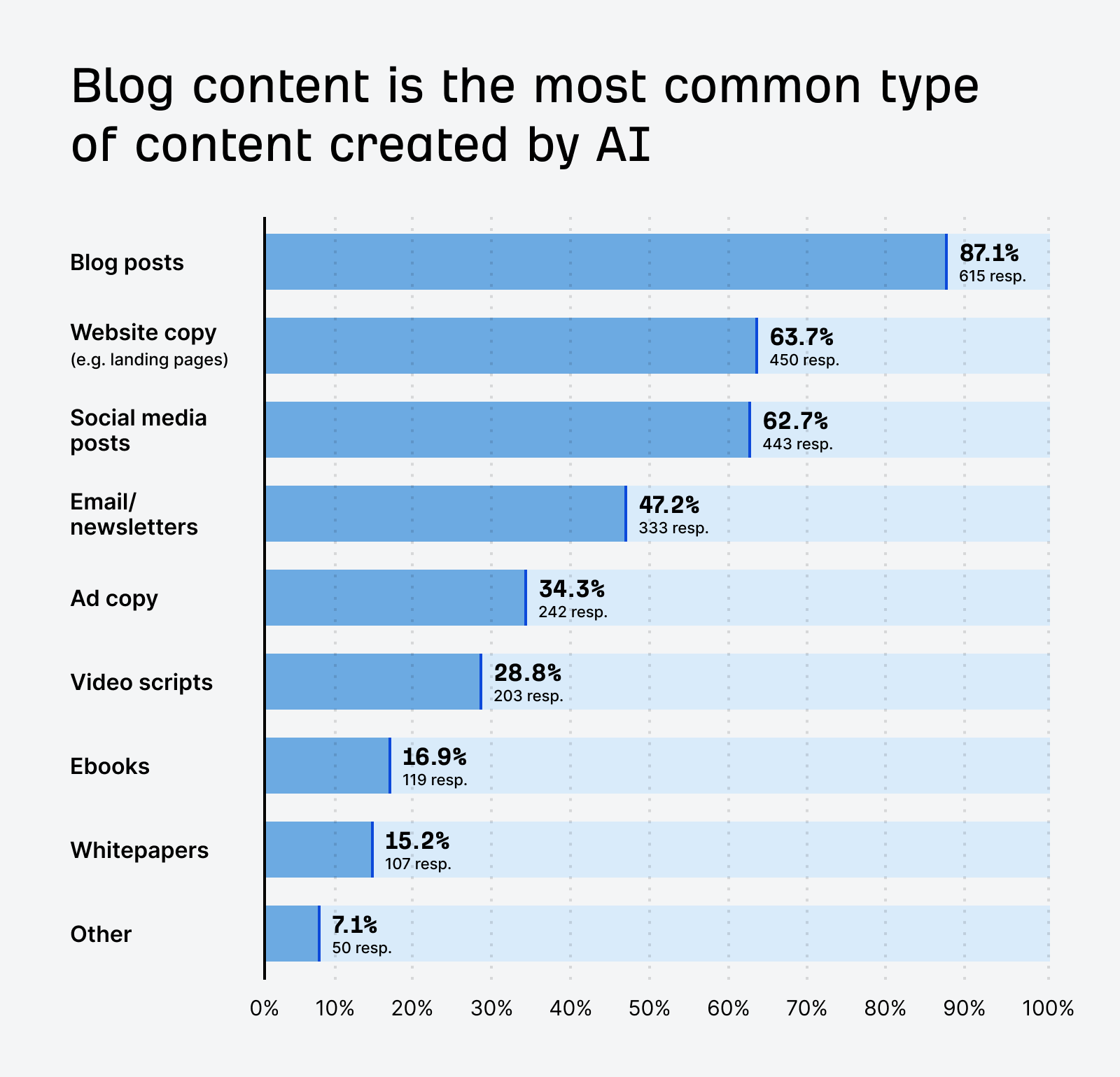
AI content has officially gone mainstream. According to research, nearly nine in ten marketers now use AI to create blog posts, website copy, and social media content. What used to take full creative teams can now be produced in minutes.
But as the tools become universal, the challenge shifts—from creating more to creating meaning. When everyone can generate content, originality and trust become the true differentiators.
This is what I call the Authenticity Paradox. When anything can appear with a single prompt, everything starts to feel questionable. Seeing is no longer believing. That means brands have to earn trust in new ways and rebuild what genuine connection really means.

How to design a human-first B2B brand framework in the age of AI
How to design a human-first B2B brand framework in the age of AI
The framework I introduced two years ago has evolved through real-world use and the rapid rise of AI capabilities. These five B2B content and marketing principles define what it means to build a human-centric brand in an increasingly artificial world.
1. Emotion: The irreplaceable human response
Emotion remains the most powerful differentiator because it’s the one thing AI can’t authentically replicate. While algorithms can study emotional patterns and mimic tone, they can’t feel, experience, or empathize in a way that resonates.
The strongest brands use emotion to create real value for people, never as a trick to get attention. When someone scrolls through their feed during a bathroom break (yes, that’s still where most content consumption happens), you have about 2.3 seconds to make them feel something real.
Take Patagonia as an example: Patagonia is not only known as an outdoor-gear brand but also as a champion of environmental activism and authentic adventure.
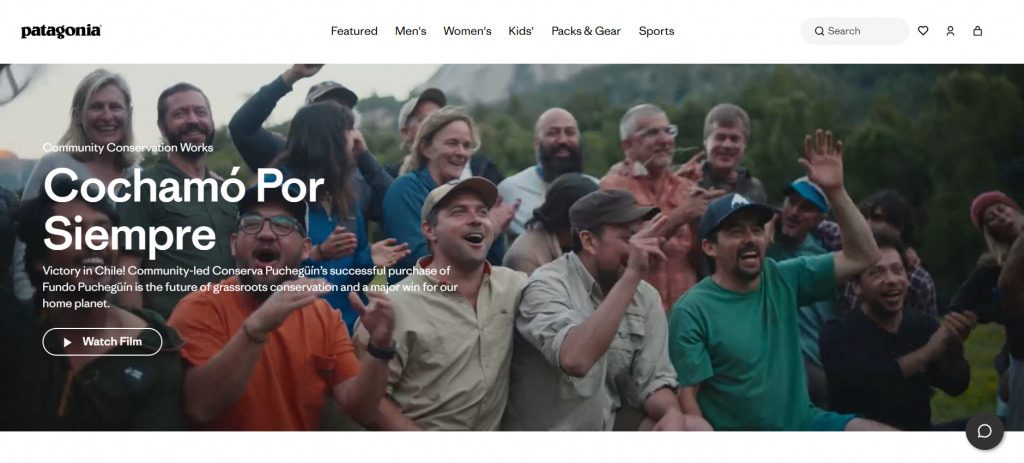
Their content inspires action, sparks urgency around climate issues, and gives customers a sense of belonging to something larger. No AI can reproduce the conviction that fueled their Don’t Buy This Jacket campaign. That message came from lived passion, not optimization—trust and differentiation, the foundations of brand equity, can’t be automated.
Before creating any piece of content, ask yourself: What specific emotion am I trying to evoke, and why does my audience need to feel this right now? If that answer isn’t clear or genuine, the content risks fading into the noise of AI-generated sameness.
2. Sensory experience: Engaging more than the screen
As our digital lives grow more artificial, physical and multi-sensory experiences have become premium differentiators. AI can produce images and videos, but it can’t capture the smell of fresh bread in a bakery or the weight of a well-crafted product in your hands.
Smart brands are leaning into sensory engagement. Rituals turns its cosmetic products into a full sensory experience that begins the moment customers enter the store. The scents, textures, and sounds stay with you, forming memories no digital moment can match.
Even digital‑first brands are finding creative ways to reach multiple senses. Spotify pairs sound with visuals through album art, adds haptic feedback to its app, and hosts immersive dining‑events that combine music, food and atmosphere.
We’re now seeing the rise of sensory branding 2.0, where brands design multi-sensory moments to cut through digital fatigue. The more senses you engage with authenticity, the more distinctive and unforgettable your brand becomes.
Think of unboxing experiences, community events, and in-person activations. How can you move past the digital layer—and use real-world experiences to shape how your audience feels and remembers your brand?
3. Personalization: From demographics to psychographics
Today, everyone has access to the same AI writing tools. The real difference lies in the authenticity of the brand story being told. AI can build narratives, but it can’t live experiences, face challenges, or form genuine relationships.
The strongest brand stories are anchored in lived experience. Airbnb’s success stems not from platform features, but from thousands of stories shared by real hosts and guests. These stories resonate because they’re unscripted—filled with emotion, imperfection, and truth.
TOMS began with a simple observation from its founder, Blake Mycoskie, during a trip to Argentina: many children had no shoes. That real-world experience became the heart of the brand’s “One for One” model. The story resonates because it’s rooted in genuine empathy and lived action—something no AI-generated narrative can replicate.
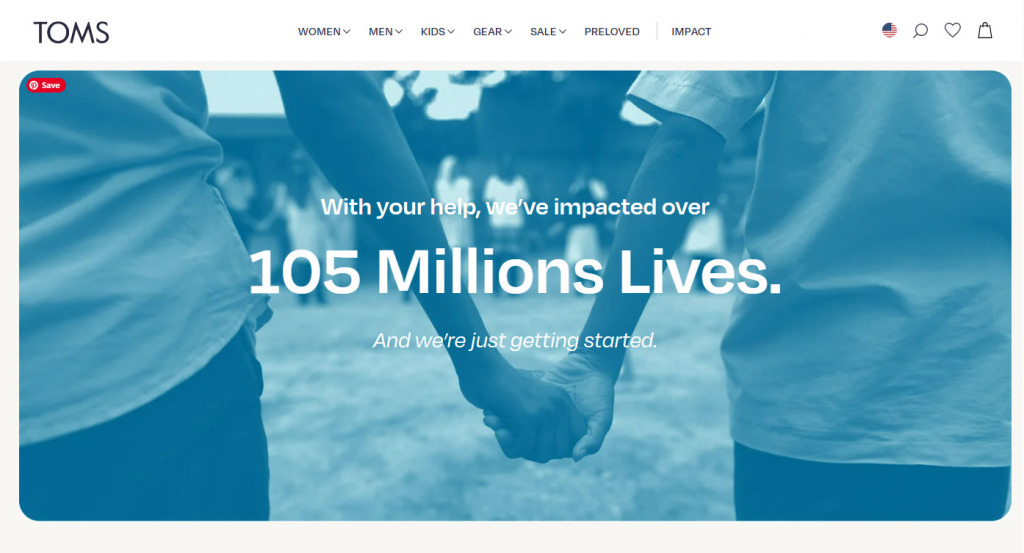
The new imperative is clear: brands need to act like documentary filmmakers of their own journey. Every obstacle overcome, every customer helped, every lesson learned becomes part of an authentic narrative—one that AI can imitate in form, but never in origin.
4. Personalization: From demographics to psychographics
True personalization has moved well past “Hi [First Name]” greetings. In the age of AI, anyone can automate surface-level customization. What sets strong brands apart is how deeply they understand their audience’s motivations, fears, aspirations, and context.
Netflix exemplifies this depth. The platform tailors suggestions not only by what you watch, but by when and how you watch, what you stop midway, and even what you hover over but never choose. That level of behavioral awareness creates experiences that feel uncannily relevant.
Personalization, though, isn’t only about data. It’s about empathy. The best brands use AI to surface insights, then apply human judgment to make those insights meaningful. Spotify’s Wrapped, for instance, turns a year of listening habits into a story about identity and emotion—a reminder that data can also feel personal.
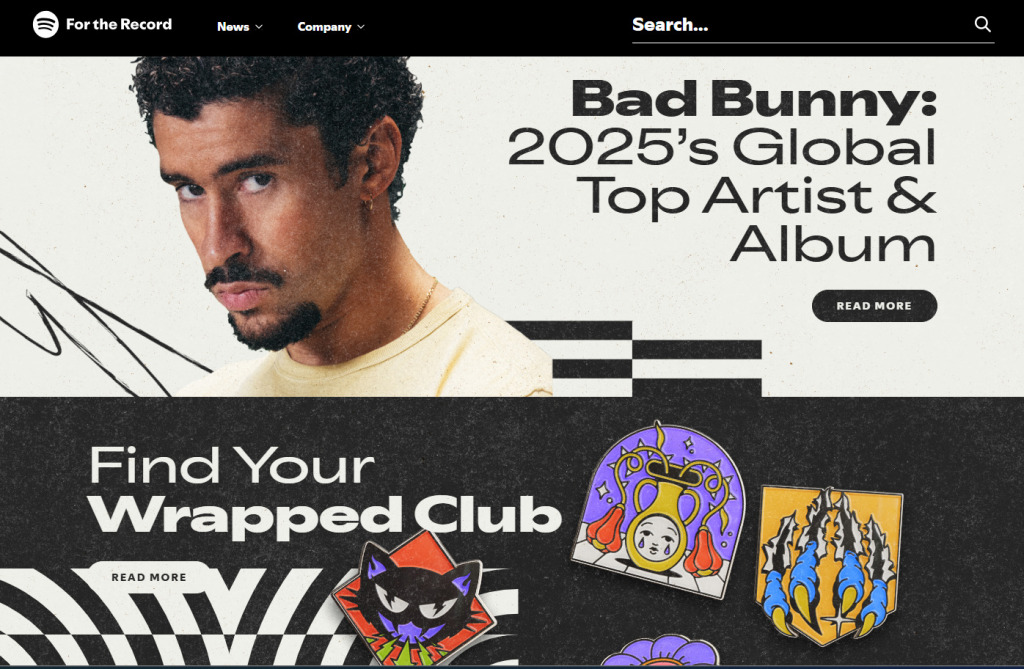
AI can reveal patterns. People bring the context and empathy that turn those patterns into connection. The brands leading in personalization keep that balance at the heart of their brand strategy.
5. Community: From customers to co-creators
What defines strong brands today is their ability to build communities grounded in real connection. Real communities can’t be fabricated. They grow from genuine relationships, shared experiences, and mutual value.
Harley-Davidson remains the benchmark, though newer examples show that the idea continues to evolve. Peloton, for instance, built a fitness network where members encourage one another, celebrate milestones, and share honest struggles. That sense of belonging helped the brand stay grounded through company challenges.
Discord tells a similar story. What began as a space for gamers became a home for groups built around every imaginable interest. Its success came from understanding that the platform’s role wasn’t to produce content, but to help people connect meaningfully.
The takeaway here is that brands that thrive act like community builders. They create spaces where people can form connections with each other as much as with the brand itself. They spotlight members, encourage participation, and know when to step back so relationships can grow naturally.
These five principles work together as one system. Each—emotion, sensory experience, storytelling, personalization, and community—adds depth and authenticity to the brand-marketing experience, keeping it distinctly human.
Reclaim the human element
I warned that AI would flood the internet with content and make authentic connection harder. That reality has arrived—and so has the response.
The brands finding success today understand that technology isn’t the enemy. They’re embracing what makes them human. They use AI as an amplifier, not a replacement, and invest in what machines can’t imitate: genuine emotion, sensory depth, authentic stories, empathetic personalization, and true community.
Creativity remains a superpower, but today it must extend beyond the content itself. The real skill lies in creating connection—designing experiences that feel alive, meaningful, and human. The five principles of brand design offer a structure for doing just that.
What will set brands apart is holding on to a simple truth: behind every screen, click, and purchase is a person looking for connection, value, and meaning. AI can generate words, images, and data—but only humans can create experiences that move people.
Explore AI-focused learning at CXL:
- Optimize Pages for AI Search with AEO Cohort: Learn how to optimize for AI-driven search engines and improve visibility.
- B2B Lead Generation with AI: Build smarter, data-driven lead generation systems powered by AI.
- Organic Growth in the AI Era: Sustain visibility and credibility as AI algorithms evolve.
Or explore the full AI in B2B Marketing Program. It’s a complete curriculum for integrating AI across your marketing strategy.
AI has already transformed marketing. The real opportunity now is to use it in ways that make your brand more human, not less.
Related Posts
-

Branding is everything. But, do you really understand how hard it is to build a…
-

The landscape of B2B marketing and SEO is evolving rapidly. AI is reshaping how buyers…
-

Your relationships and reputation are intangible assets. Foster your personal brand, and you’ll build perceived…
-

Don't design your own website. No, really. It will suck. You might think that since…