Mobile Ecommerce Design: How to Earn More Conversions

There are an almost limitless number of mobile usability gotchas that need to be identified and gradually refined.
There are an almost limitless number of mobile usability gotchas that need to be identified and gradually refined.

Ever wonder why your site has a lot of visitors but not enough transactions, purchases, or inquiries? In this post, we look at marketing and UX metrics from a slightly different angle.

A great deal has been written about whether, in the Internet age, your business should have a phone number on its website.
On one hand, having a phone number can increase the trustworthiness of your website, help sell potential customers who aren’t comfortable buying online, and allow customers to contact support easily.
The flip side? Phone support costs money.
Many anecdotes support both strategies, but we should be asking, “Where’s the data?”

For most sites, mobile traffic is a majority of total traffic, and smooth navigation for mobile users is critical.
Many sites use the hamburger navigation icon to display the menu. It’s become the default option.
But is the hamburger menu the best idea? Maybe not.

Time flies when you’re having fun. We published almost 90 posts this year. Here are the articles that captured more eyeballs than any others.

Typography is the detail and the presentation of a story. It represents the voice of an atmosphere, or historical setting of some kind. It can do a lot of things. (Cyrus Highsmith)
We only have a handful of tools to communicating online, really. Words, images, colors, and composition are the usual suspects, but they’re stealing most of the credit for what goes into making effective websites and landing pages.

If you’ve ever thought about running a PPC campaign for the first time, there’s a good chance you wondered which PPC channel to use.
The PPC targeting options that Facebook has available are different from Google Ads, LinkedIn Ads, Twitter, and an abundance of other PPC marketing networks.
Where do you begin when there are 72+ PPC options for you?
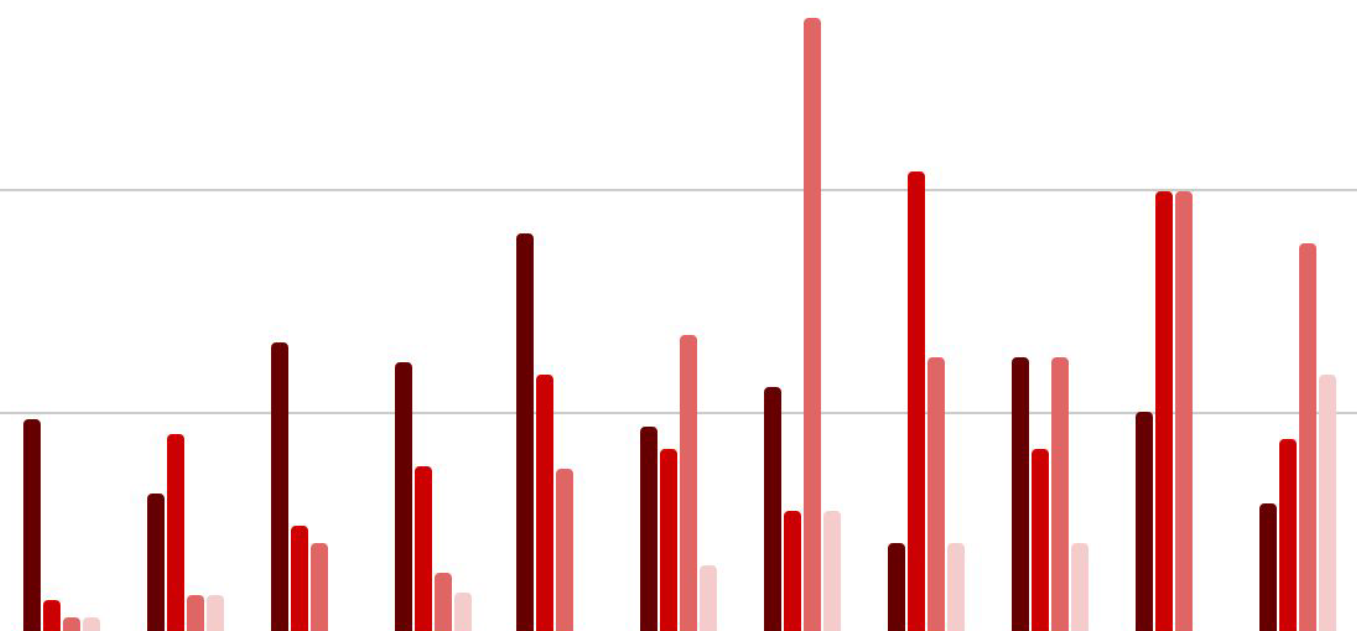
This is the fourth edition of our State of Conversion Optimization report. The upward and downward trend data is increasingly interesting.
An average website has a sales conversion of 1% to 2%. So it’d be fair to say that on most sites more than 95% of visitors don’t buy anything—especially on their first visit. So instead of trying to sell them right away, we should capture leads (i.e. emails) instead.

The carefully evasive proposal included intriguing tidbits: Jeff Bezos laughed when Mr. Kamen assembled an It for him [. . .] The proposal also included proclamations from tech-world celebrities like Steve Jobs, Apple’s founder, that the device might change urban life and could be as significant as the development of the personal computer.
The New York Times, January 2001
Dean Kamen’s code name for the project was “Ginger.” That was all most people knew. But few could wait to learn more. Deprived of source material, journalists wrote articles about articles. Finally, in December 2001, came the big reveal: Ginger was the Segway.