Around 30,000 new products launch every year. Most of them fail.
The biggest reasons? Poor product-market fit, positioning, and messaging. Effectively, they don’t understand their customer, nor where to play or how to win.
Many companies are so focused on building the perfect product that they put off their growth efforts until it’s too late.
This guide shows you how to build a product marketing strategy in eight steps: market research, target audience, positioning and messaging, goals, team alignment, pricing, roadmap, and measurement. Then we break down six product marketing strategy examples from HEY, Webflow, Drift, Bellroy, Spendesk, and Close, and the lesson you can take from each.
Table of contents
- What is a product marketing strategy?
- Product marketing strategy template
- How to create a product marketing strategy in 8 steps
- 1. Research the market and validate demand
- 2. Define your target audience
- 3. Solidify your product positioning and messaging
- 4. Set measurable goals unique to your objectives
- 5. Align your teams
- 6. Price your product based on value
- 7. Turn the strategy into a roadmap and launch plan
- 8. Measure performance and keep iterating
- Product marketing strategy examples
- 1. HEY: build the message around a pain buyers already feel
- 2. Webflow: win one narrow customer, then expand
- 3. Drift: create a category and name it in the customer’s words
- 4. Bellroy: demonstrate the value proposition instead of claiming it
- 5. Spendesk: treat onboarding as product marketing
- 6. Close: out-teach rivals on the one channel where you can win
- Conclusion
What is a product marketing strategy?
Your product marketing strategy is a roadmap for how you position, price, and promote your product in the market.
It’s what tells you where your biggest fans are and how to reach them.
Your strategy should integrate with the product life cycle, informing how you market your product from development to growth. Its creation and implementation require input from product managers, product marketing managers, marketers, and sales teams. It should be based on strong buyer intelligence.
A good product marketing strategy helps customers perceive you as a better product for their needs, and through the constant feedback loop, you become the best solution.
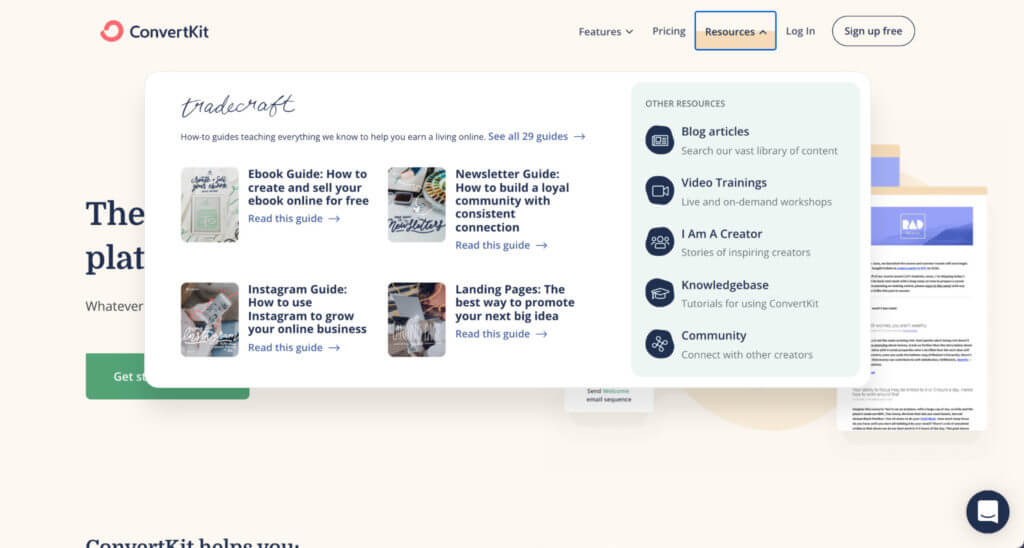
ConvertKit launched in 2013 to face early-on-the-scene competitors like Mailchimp and Constant Contact. Instead of quitting following a slow first two years, founder and CEO, Nathan Barry, doubled down on a niche: email marketing for bloggers.
Barry used product marketing to pinpoint ConvertKit’s positioning and messaging and evolve into the specialized email marketing suite it is today.
The platform can’t compete with the big players on features, so instead it focuses on specifically and purposefully addressing the needs of their users through content.
Product marketing strategy template
Use this as a one-page template. Each row maps to a step in the next section. Fill in the output column and you have a working strategy document your whole team can use.
| Step | Question to answer | Output |
|---|---|---|
| 1. Market research | Is there real demand, and who else is solving this problem? | Market size estimate, competitor map, validated demand |
| 2. Target audience | Who is the best-fit buyer, and what do they need? | Ideal customer profile and a small set of data-backed personas |
| 3. Positioning and messaging | What category are we in, for whom, and why are we the better choice? | Positioning statement and messaging framework |
| 4. Goals | What does success look like? | SMART goals for sales, customer satisfaction, and awareness |
| 5. Team alignment | Does everyone tell the same story? | Internal knowledge base as the single source of truth |
| 6. Pricing | What is the value worth to the buyer? | Value-based price points and packages |
| 7. Roadmap and launch | What happens when, and who owns it? | Product marketing roadmap and launch plan |
| 8. Measurement | Is it working, and what do we change? | KPI dashboard and customer feedback loop |
How to create a product marketing strategy in 8 steps
Developing a product marketing strategy requires the skills of both product marketing and product management.
- Product marketing is responsible for the voice of the customer, positioning, messaging, and product adoption.
- Product management sets out the vision, identifies pain points, and develops a product that solves them.
The two then come together on product pricing, gathering research, and influencing product development.
As we go through the process of creating your strategy, you’ll see where the strengths of both teams are needed.
1. Research the market and validate demand
Early-stage research will determine success. Market research will validate the demand for your product and provide insight into customer needs. It’s broken down into two main types:
- Qualitative research. Conducting customer interviews, surveys, focus groups, etc.;
- Quantitative research. Analyzing swathes of customer and audience data from internal sources (CRM), online sources (audience intelligence tools), journals, and industry studies.
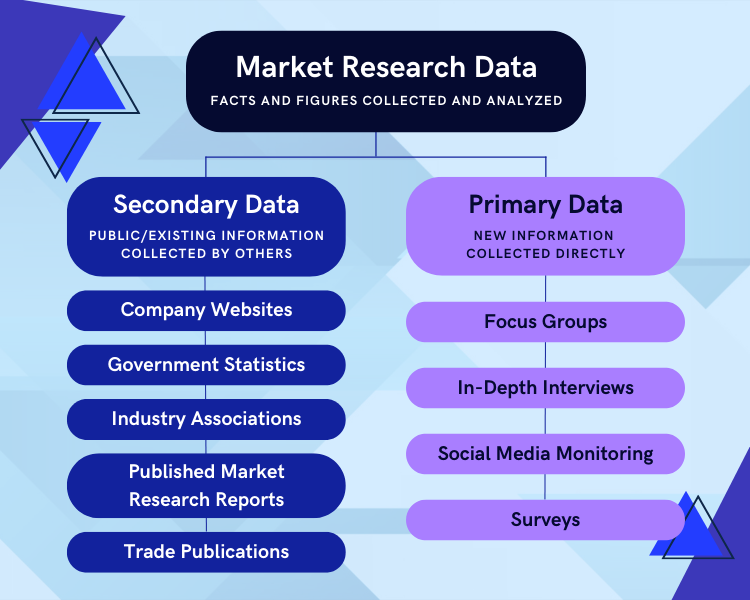
Discover if your product is viable with data-driven research
Begin by analyzing the customer data you have access to. What does your sales data reveal about territories, customer types, average sales, and pricing? Financial data can provide insights into which type of products bring bigger profits.
Gather external data from governmental and local organizations. Data.gov and Eurostat offer volumes on demographics, economics, trade, and production data in the U.S and Europe, respectively.
Supplement this with reports and studies from trade associations, industry journals and media, and commercial marketing data.
Conduct competitive and social media research to see who you’re up against and how they market their products.
This information will help you answer questions around the size of the potential market, how it will grow or shrink, and what market share competitors own.
Get specific with primary research
Where quantitative research gives you a top-level view, qualitative research gets you into the consumer’s mind.
Interview your existing customers. Ask them to complete surveys and questionnaires (including open-ended questions to gain qualitative feedback).
If you’re launching a new product, speak to the audience you’re looking to attract. Reach out to them on Twitter, Instagram, or LinkedIn and invite them for a short conversation.
Base your questions around:
- Pain points. (e.g., What are your biggest challenges with X? What would help you solve that challenge?)
- Goals. (e.g., What do you look for in a product? What do you hope to gain?)
- Pricing. (e.g., What is a reasonable price range? How would you rate industry prices?)
- Psychographic traits. (e.g., What interests you? How do you prefer to buy?)
Depending on your product, you can also run Minimum Viable Product (MVP) testing. By releasing a version of your product with a few priority features for new customers, you can gather feedback to determine its viability and improve future versions.
The data you get from customers will help shape the product that management develops and the customers that marketing targets. So it’s important not to rush it.
2. Define your target audience
According to Salesforce’s State of the Connected Customer report, 66% of customers expect companies to understand their needs and expectations. If their needs aren’t met, 58% will switch companies.
Defining your target audience gives you that initial understanding of your ideal customer, their expectations, and what they like and don’t like. It also gives you insight into how to market your product so it’s the best choice.
Use your qualitative research data to build robust customer personas that focus on:
- Behavioral drivers. Customers’ goals, ambitions, and their journey to finding your business;
- Obstacles. Hesitations and concerns potential customers have. How do they view your product, and how will this impact the information they need to buy?;
- Mindset. Customers’ preconceived notions around the buying experience. Do they want a tailored experience, or are they looking for a bargain?
Segment data based on common threads. Start with intent, then look at hesitations and mindset. This will help you find a small number of clearly defined personas.
Where possible, round out these personas with quantitative data from on-site behavior from Google Analytics. Gather data such as:
- Average revenue per user;
- Transactions per user;
- New versus repeat customers;
- Frequent customers.
Base your personas on real people. As buyer persona expert Tony Zambito points out:
“Buyer personas are archetypal representations of real people. If they sound and look like stereotypes—they probably are. They must sound believable and represent believability as well.”
It’s much easier to market a product if you can visualize the buyer. Paul, 35, who values family time and cares about online privacy, for example, is a lot more relatable than Persona #4.
3. Solidify your product positioning and messaging
Positioning and messaging are crucial elements of marketing a product people want to get behind.
As Aha! CEO and co-founder Brian de Haff notes:
“Positioning and messaging are how you describe the value you deliver. Positioning is the background to organize the team—the real-life reason you are telling your story in the first place—and messaging is the actual content served to customers. Both are used by marketers to be their best.”
Both elements help you tell an original story that attracts customers away from the carbon-copied competition.
Establish your product’s market position
Positioning should always come first. It creates the customers’ perception of your product, who it helps, the problems it solves, and how it compares to the competition.
In her Product Messaging course, Maya Shah-Ceccotti explains the importance of good positioning:
“From your positioning work, you should be coming to the table about developing messaging with a really solid understanding of a few critical things. Those things are:
What your product is and what space it plays in. What category is it in? How do customers understand and reference it?
What is the narrative around your product and your company? What is that story that inspires the customer and communicates and drives home the why?
Who is your best-fit customer? Who are your target audiences (also sometimes referred to as your ICP)?
How do you want to be perceived within the competitive landscape? And, also, what are your product’s unique attributes and values?”
Your positioning is the foundation that your messaging is built on. Nail your positioning, and it’s easier for your team to communicate product benefits to your target audience.
To hone in on your product position, start by thinking about the four Ps:
- Product. How does your product compare to others? What’s unique about it?
- Price. How does your price relate to your audience and value? (More on this soon.)
- Promotion. How do/will your customers discover you?
- Place. Where do your products live? Purely online, or do you have other distribution channels?
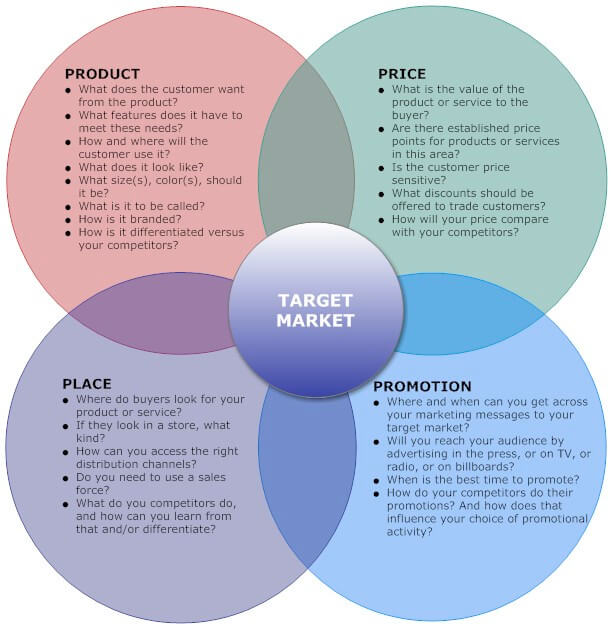
The Four P’s may be a primitive marketing model, but combining this with your data-driven research will illustrate what customers value most about your product and how it’s different from the competition.
Use this to shape your product narrative and give you the building blocks for developing a positioning statement for internal consistency.
Know that while it’s crucial for positioning to be standardized for all teams, it may eventually shift.
Loom’s positioning as an “async video messaging for work” wouldn’t have made sense when they launched in 2015.
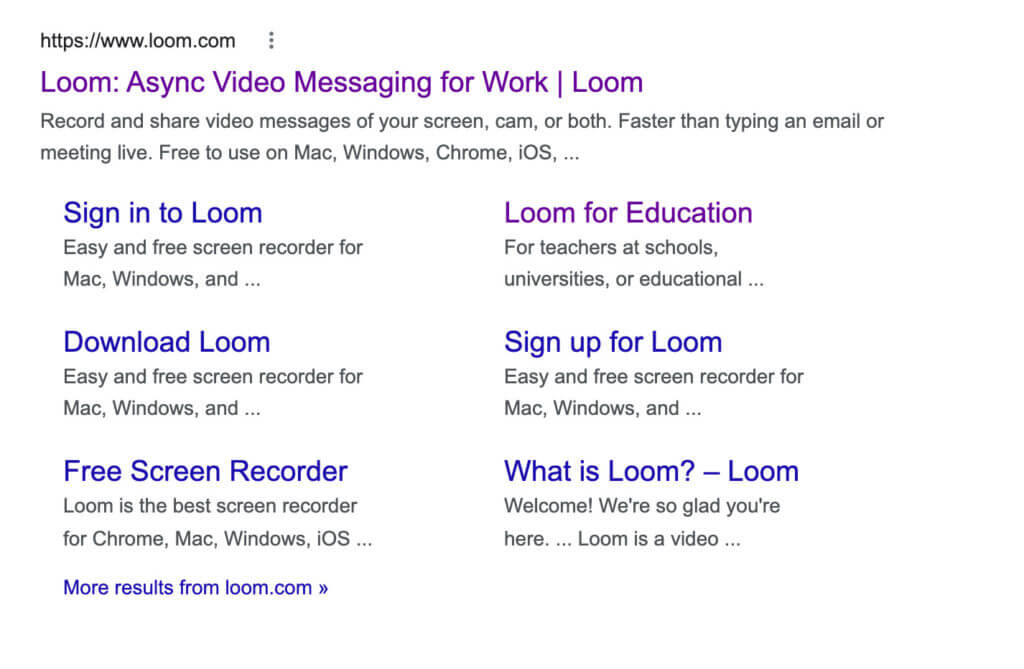
Since then, the world has changed dramatically. Loom pivoted from a video recording platform centered around user feedback to a platform that helps professionals (remote ones in particular) avoid excess meetings and emails.
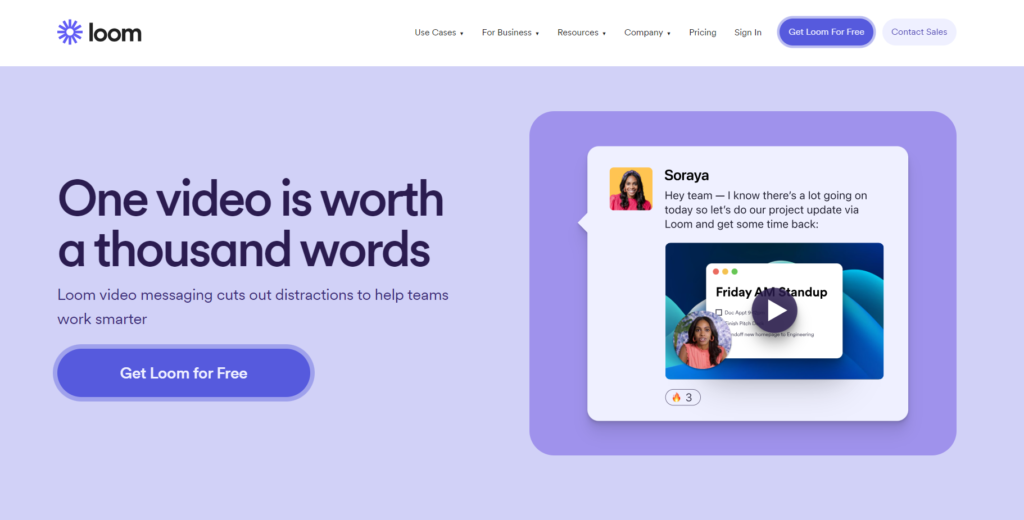
Their messaging is crystal clear across their website, saying what they do and who they do it for: “Record quick videos of your screen and cam. An essential tool for hybrid workplaces.”
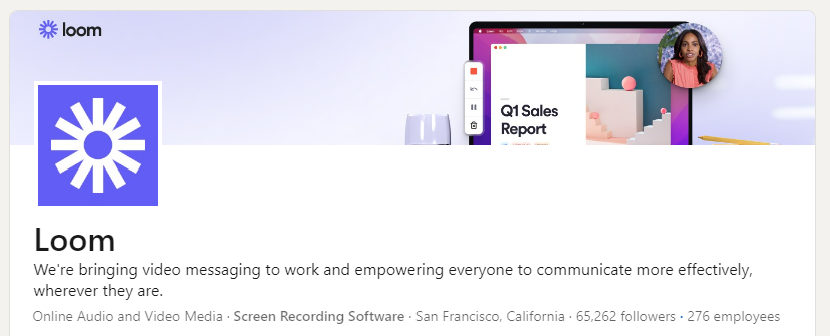
Their “async” lean is also echoed across social media. Such as on LinkedIn: “We’re bringing video messaging to work and empowering everyone to communicate more effectively, wherever they are.”
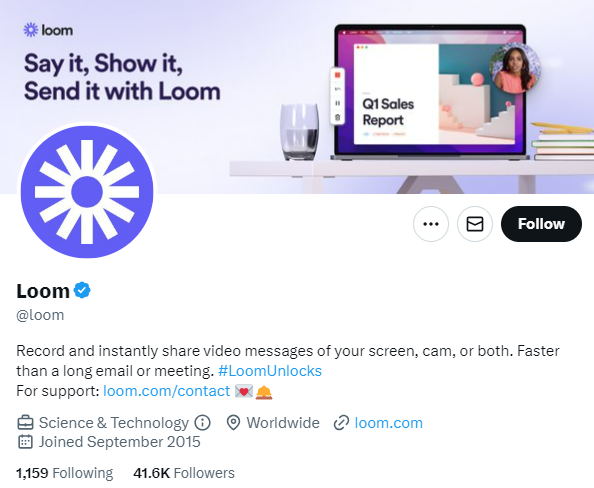
And Twitter: “Record and instantly share video messages of your screen, cam, or both. Faster than typing a long email or meeting.”
Define your positioning statement, then ensure everyone in your organization sticks to it.
Use positioning to craft a compelling narrative
If positioning determines your target customers and how you want them to perceive your product, then messaging is how you communicate that concept.
To stay consistent across all departments and touchpoints, create a messaging strategy.
Your messaging strategy should include the following four elements.
1. Unique selling proposition (USP): Why you’re different from the competition;
2. Target audience: Your buyer personas;
3. Brand story: A narrative of how your product came to be, why you make it, and your mission;
4. Messaging strategy guidelines: A playbook that includes a mission statement, tagline, value proposition, brand pillars, positioning statement, brand promise, and design and tone of voice guidelines.
To plan and deploy this strategy, focus on:
- What sets you apart. Pinpoint at least one thing that makes you different.
- Not trying to appeal to everyone. Don’t just be another option. Be the product your audience has been looking for by appealing to their individual needs.
- Speaking to your customers. Find out their motivations and current level of satisfaction with available options.
- Continually testing. Test your messaging on a small audience, then analyze and adjust. Be ready to change your messaging to suit the product, audience, and opportunity.
4. Set measurable goals unique to your objectives
Research shows that there’s a strong connection between goal-setting and success. Make this step practical by writing down what you want to achieve with your product.
For most brands, success comes in the form of sales. Strong brand awareness and customer satisfaction makes this goal easier to achieve.
Divide your goals into three categories: sales (or user acquisition), customer satisfaction (or retention), and brand awareness. Set a specific goal for each pillar.
Here are some goal examples you might try to increase or decrease:
- Sales. Revenue, assisted conversions, qualified leads, cost per acquisition, close rate, customer lifetime value;
- Customer satisfaction. Net Promoter Score (NPS), customer sentiment, product usage;
- Brand awareness. Market share, share of voice, website traffic.
Keep your goals realistic by using the SMART framework. Goals should be specific, measurable, achievable, relevant, and time-based.
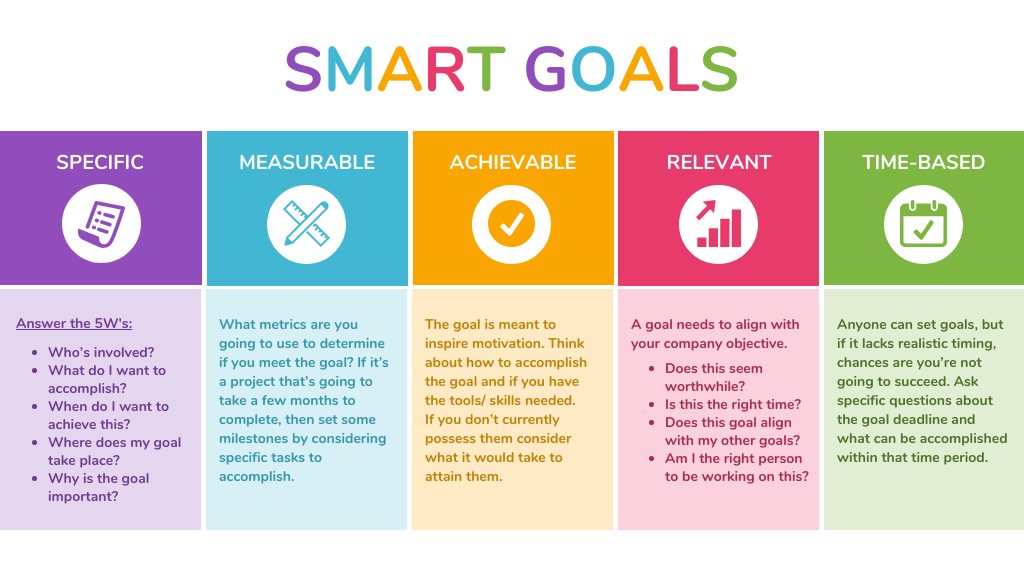
This will ensure team members focus on the most important objectives, helping you achieve them more efficiently.
5. Align your teams
Aligned companies grow faster and experience lower churn. Ensure everyone involved in the development and implementation of your strategy is on the same page.
Research from Sprout Social shows that people feel more connected to brands when the CEO and employees share information online. If the information coming out from these sources isn’t aligned, it can confuse customers.
Worse still, it can lead to distrust.
Each member of your team should be clear on:
- Product features and benefits;
- Customer pain points;
- Positioning and messaging;
- Buyer personas;
- Product goals;
- Pricing strategy.
Make this information accessible by creating an internal knowledge base. Many tools offer templates to help you do this:
Promote collaboration by utilizing tools like Slack, Asana, or Trello. The easier it is for teams to access a unified source of information, the more cohesive your marketing will be across different departments and practices.
6. Price your product based on value
In a study on what influences customers’ buying behavior, researchers found that over 70% of respondents rated price to be a “very important” factor influencing their decision.
The actual price of your product is important. Customers need to be able to afford it. But equally as important is how customers perceive that price.
Price low, and your product could either be seen as a bargain (good) or as cheap and inferior (bad). Price high, and your product can either be seen as luxury or premium (good) or overpriced (bad).
A good way to think of pricing is covered by ProfitWell’s Patrick Campbell in his Pricing and Packaging course:
“Your pricing is the exchange rate on the value you’re creating in the world.”
When you view pricing in this way, one method becomes the outstanding option: value-based pricing.
Where cost-based and competitive pricing can help you quickly reach a ball-park figure, both neglect the unique value your product offers.
On the ProfitWell blog, Patrick explains why focusing on value-based pricing over the alternatives is something his company recommends:
“Value-based pricing gives customers trust in your product and brand. Your pricing matches what they’re willing to pay for the value you provide. You can offer packages and price points that precisely meet their needs because you understand what they truly want. You can price higher than competitors because you conducted the research that proves how much customers are truly willing to pay. You can also re-evaluate prices as you add value to your product and learn more about your customers and their evolving needs.”
Value-based pricing is based heavily on data. But by this stage in your strategy, a lot of the hard work is already done.
To find the right price points for your product:
- Analyze buyer personas;
- Survey customers on how much they would pay for a product and which features and benefits they most value.
Use this data to create tiers and pricing packages. Test and measure your strategy before rolling it out fully.
Zenefits, for example, offers plans that increase in price based on the features they include:
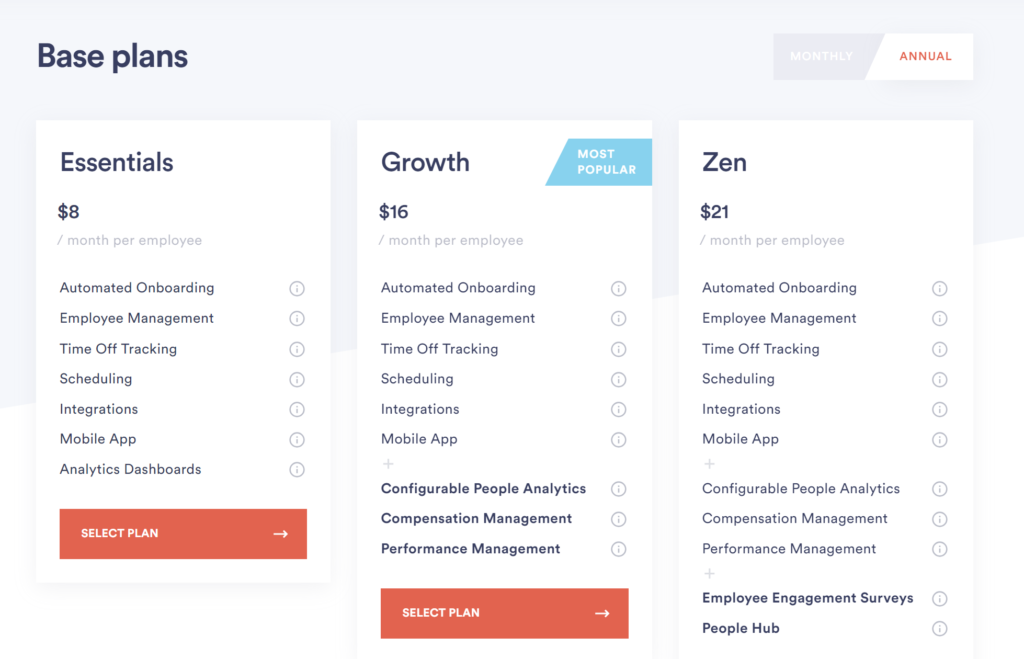
This personalized price plan is reasonable and suits multiple personas. It also offers clarity. Buyers can see the value they will receive and can choose the most suitable plan for their needs.
This can only be achieved through experimentation and understanding what customers want and value.
7. Turn the strategy into a roadmap and launch plan
A strategy only matters once it changes what your teams do this quarter. A product marketing roadmap visualizes your plans and keeps every stakeholder aware of what is happening, what needs to happen next, and who owns it. It can be goals-based, deadline-based, or task-based.
Here’s an example from Roadmunk that shows how a product marketing roadmap might look:
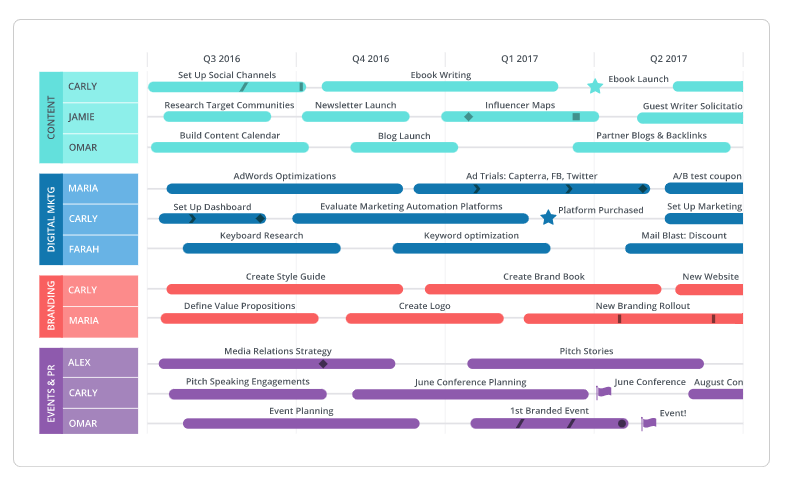
As well as Roadmunk, there are many tools you can use to build and manage your roadmap:
When the roadmap includes taking a new product or major feature to market, you need one more layer: a launch plan. That is where you choose a launch type (soft launch or general availability) and a launch tier, sequence pre-launch, launch-day, and post-launch activities, and assign an owner to each one. We cover all of it step by step, with a timeline template, in our guide to building a product launch marketing plan.
8. Measure performance and keep iterating
Before launch, every strategic decision rests on research and informed assumptions. Once the product is in market, you have real data. Use it to refine the strategy, not just to report on it.
Gather feedback as your product gains traction to improve and add features. The same goes for content marketing. What assets generated results, which didn’t, and why?
Track product metrics and KPIs to evaluate performance. Measure:
- Market penetration rate. Calculate the success of your marketing strategy by dividing existing customers by the size of your target market and multiplying by 100 (number of customers / target market size x 100 = market penetration rate).
- Return on Investment (ROI). Calculate success by looking at the efficiency of your investment (net income / cost of investment = ROI).
- Net Promoter Score (NPS). Gauge how likely customers are to recommend your product by running NPS surveys. Customers answer on a scale from 0 to 10: scores of 0 to 6 are detractors, 7 to 8 are passives, and 9 to 10 are promoters. Your NPS is the percentage of promoters minus the percentage of detractors (% promoters – % detractors = NPS).
Continue to monitor web and social analytics to ensure you’re meeting your targets. Employ social listening to keep track of your mentions and the conversations around your product.
What are customers saying about your product in their online communities? The insights from these sources can be a goldmine that guides future decisions.
Finally, continue gathering customer feedback at every opportunity through surveys, customer support, and social media. Communicate this feedback across your teams to keep your product relevant.
Product marketing strategy examples
Frameworks are easier to apply once you see them in the wild. Here are six companies whose product marketing strategy helped them stand out in crowded markets, and the lesson behind each one.
1. HEY: build the message around a pain buyers already feel
Basecamp’s email app HEY entered one of the most crowded software categories there is. Instead of competing on features, it positioned itself against the experience of email itself. The homepage headline sets the tone:
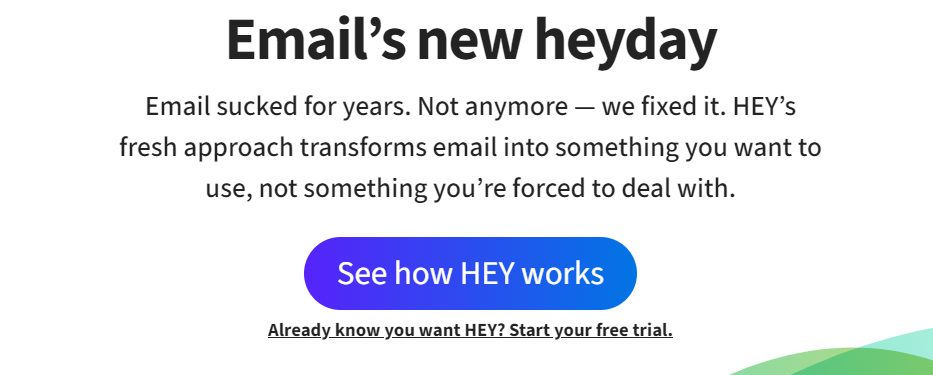
Further down the page, a letter from Jason Fried explains why HEY exists. It follows the classic Problem, Agitate, Solution copywriting formula:
- Problem. “You started getting stuff you didn’t want from people you didn’t know. You lost control over who could reach you.”
- Agitate. “Now email feels like a chore, rather than a joy. Something you fall behind on. Something you clear out, not cherish.”
- Solution. “Email deserves a dust off. A renovation. Modernized for the way we email today.”
Put that next to the feature-led, corporate homepages of Outlook or Zoho Mail and the differentiation is obvious before you read about a single feature. Real user testimonials, linked to their social profiles, back up the claim.
Strategy lesson: Use voice of customer research to find the pain your buyers already complain about, and put it at the center of your positioning and messaging.
2. Webflow: win one narrow customer, then expand
Webflow entered a website builder market already dominated by WordPress, Wix, and Squarespace. Rather than going after everyone who needs a website, it focused on the gap between designers and developers. CTO Bryant Chou described the ideal customer in an interview with Salesflare:
“That customer persona, for us, is a freelance web designer. And that freelance web designer is the lowest common denominator. That person needs everything. That person needs hosting, that person needs design flexibility, that person needs symbols, interactions, multiple pages. They need a CMS.”
Webflow then built its marketing around that persona: blog topics on freelancing and design process, Webflow University courses such as “The Freelancer’s Journey,” and community features like a forum, events, and a Website Showcase where designers share their work.
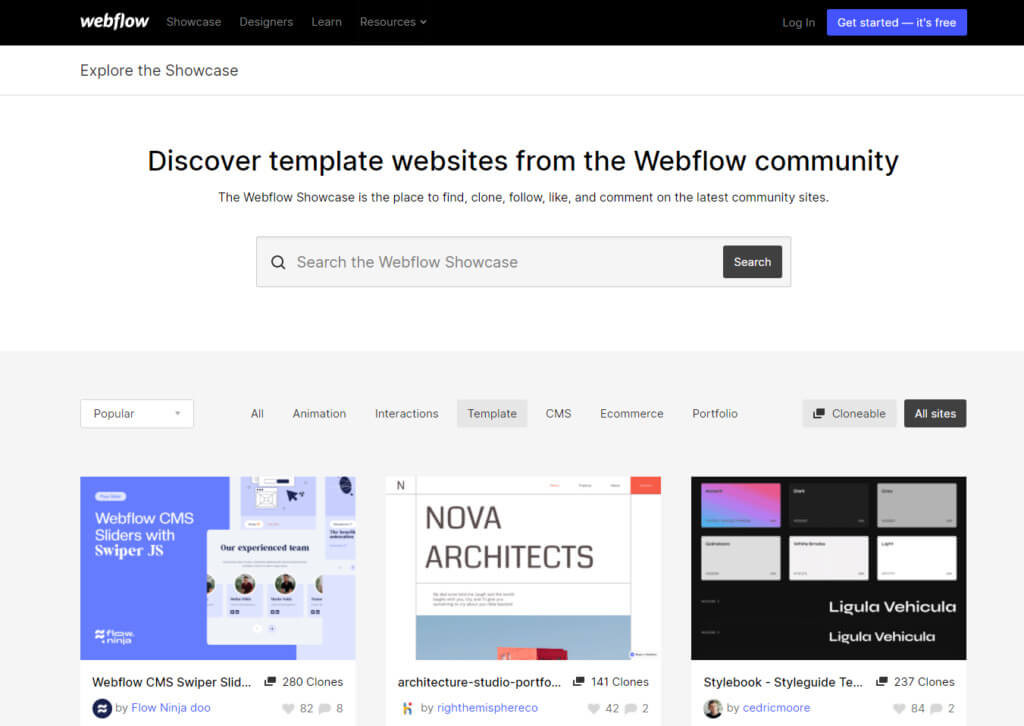
The bet compounded. As Chou explained on the WorkOS podcast, those freelancers “would go on to find jobs at larger companies” with the same need for a bespoke professional website, and they brought Webflow with them.
Strategy lesson: A tight target audience is not a ceiling. Win one persona completely and let them carry you into adjacent segments.
3. Drift: create a category and name it in the customer’s words
Drift entered the live chat market in 2015, long after the category had established players. Competitors sold chat to customer support teams. Drift repositioned the same type of tool for sales and marketing teams and called the new space “conversational marketing.”
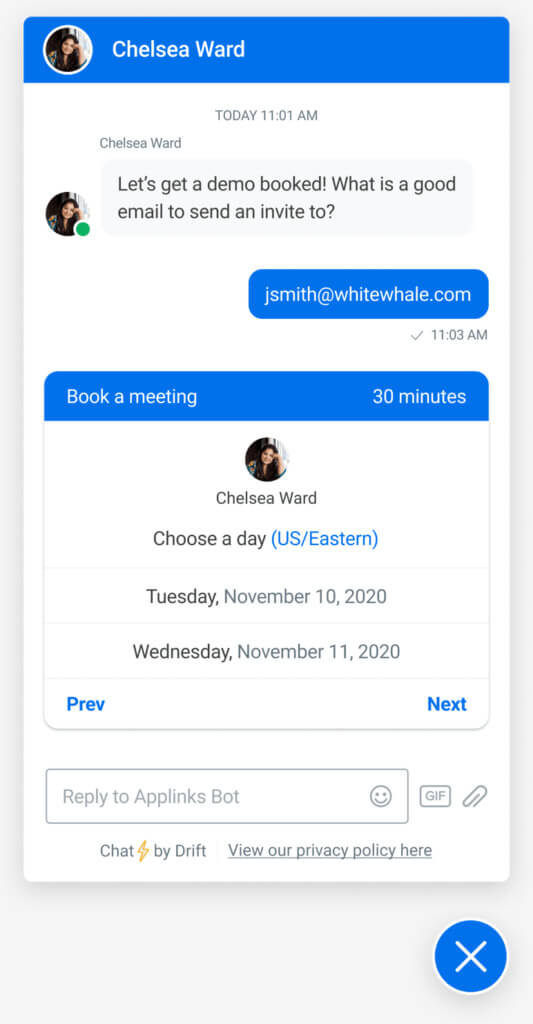
The name came from listening to customers. Dave Gerhardt, Drift’s former head of brand, told Leadfeeder:
“People started to talk about [Drift] as ‘chat for sales, sales chat, marketing chat …’ and we started to talk about it in that way. But it didn’t really take off until we gave it a name.”
Strategy lesson: If you can’t win the existing category, reposition for a different buyer. Then name the new space using the words customers already use.
4. Bellroy: demonstrate the value proposition instead of claiming it
Wallet brand Bellroy sells online, so buyers can’t hold the product before they buy. Its core promise is a slimmer wallet. Rather than leaning on its “Slim your wallet” tagline alone, it built an interactive comparison tool: move the slider to the number of cards you carry and watch how a Bellroy wallet stays slim compared with a typical one.
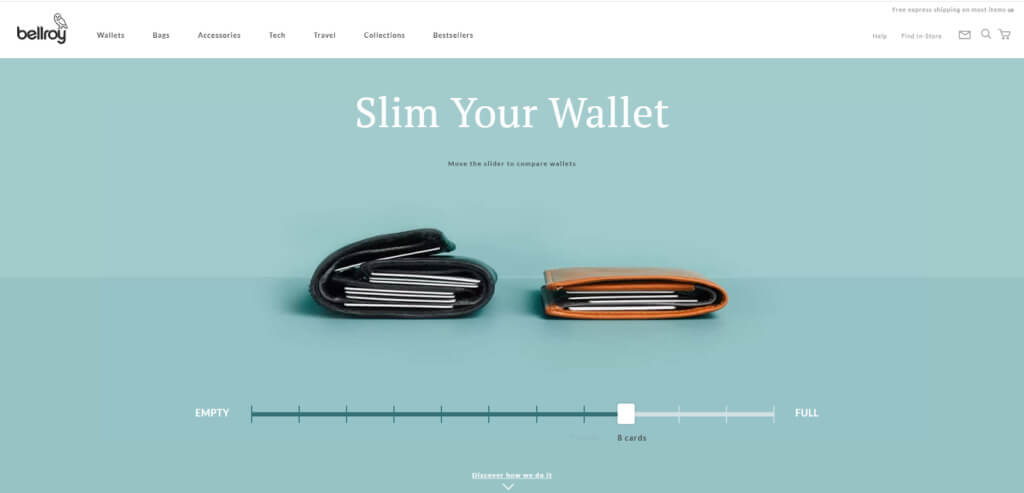
The same page explains how the wallets are made less bulky and recommends products based on what you carry. It answers buyer questions before they are asked and quietly highlights competitors’ weaknesses.
Strategy lesson: Turn your value proposition into something prospects can see or try. Proof beats claims.
5. Spendesk: treat onboarding as product marketing
Product marketing doesn’t stop at the sale, especially in SaaS, where a significant number of trial users never activate. Spend management platform Spendesk built a seven-step in-app tour with Chameleon. It tells users up front what the tour will help them do, lets them skip or restart it, and walks them straight into completing a real task.
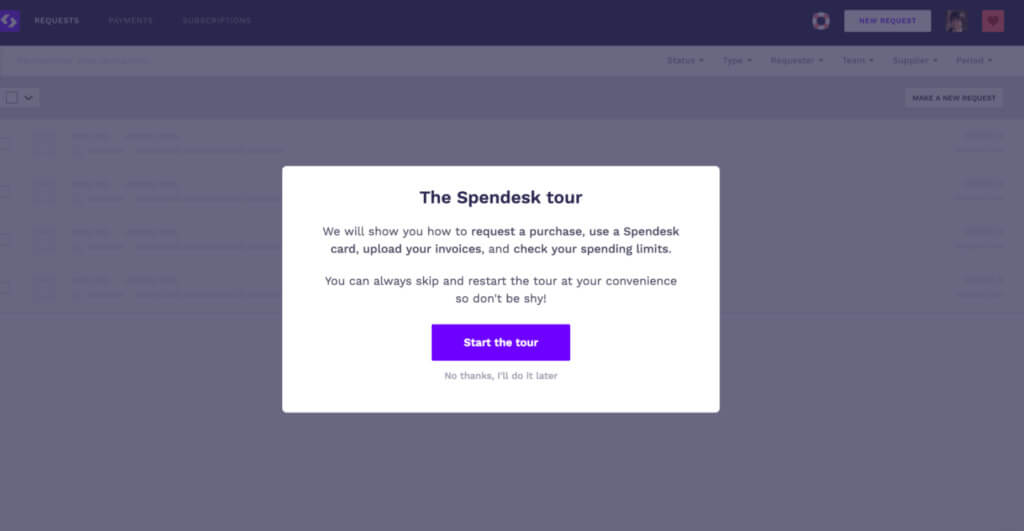
Each step delivers on a benefit the marketing promised, which gets users to the “aha” moment faster and helps reduce churn.
Strategy lesson: Make onboarding part of your strategy. The first session is where your positioning either proves itself or doesn’t.
6. Close: out-teach rivals on the one channel where you can win
CRM Close knew it couldn’t match the ad budgets of its rivals, so it went all in on one channel: educational content for salespeople. Founder Steli Efti explained the reasoning in a blog post:
“Out-teaching your competition is one of the best ways to build your brand, especially in the SaaS world. If you teach people how to run their businesses more effectively, they’ll look to you first as they search for software solutions.”
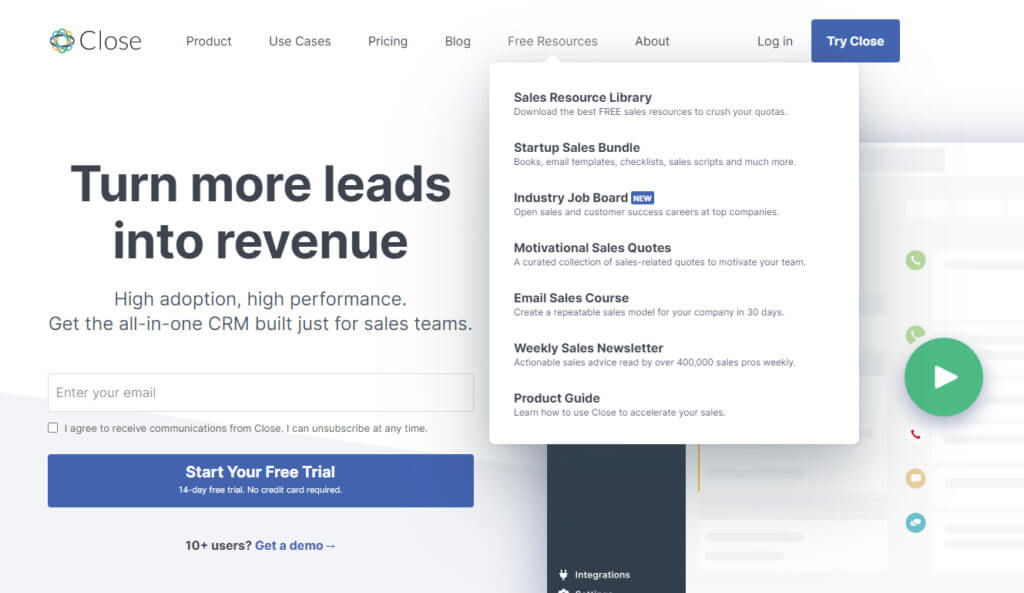
To make one channel go further, the team records a single piece of raw material and turns it into a blog post, a podcast episode, and a video. A small team covers several formats without multiplying the work.
Strategy lesson: Use competitive analysis to find where you can realistically win, then concentrate your resources there instead of copying what bigger rivals already do well.
Conclusion
A product marketing strategy is a set of decisions: who you serve, how you position against the alternatives, what you say, what you charge, and how you will know it is working. The companies above won in crowded markets by making those decisions sharper than their competitors did, not by outspending them.
Start with research, commit to a narrow audience, and keep testing your positioning and messaging as real customer data comes in across the product life cycle. When it is time to take a product to market, turn the strategy into a step-by-step launch plan with a timeline.
To go deeper on positioning, messaging, and launches, CXL’s Product Marketing Minidegree covers each step with instructors from companies like ClickUp, Drift, and HubSpot.
Working on something related to this? Post a comment in the CXL community!
Related Posts
-

In 2015, chiefmartec.com reported a “staggering” 1,876 SaaS vendors. In 2020, there were over 8,000.…
-
In 2018, after two short years and $3 million raised in startup funds, recruitment AI…
-

Daniel J. Murphy is known for elevating SaaS startups to new levels of success. He…
-
In today's review I'm reviewing 2 different ecommerce product pages. Watch this 5-minute review: Pages…