What I Learned Publishing 200+ Blog Posts on CXL

This is my last week at CXL. It’s bittersweet. I started on a Monday and published my first post on a Thursday. Since then, it’s been rinse and repeat for nearly two-and-a-half years.

In sum, I wrote 46 posts and edited another 156. That works out to about a half-million words and a new post every 4 days for 870 days.

Through it all, here’s what I figured out—and what I failed to solve.
Keep reading

speero agency

It’s been ten years since I started the CXL Agency

We started off with a value proposition “we build websites that sell”. Most of our time went into building WordPress websites. The initial vision was to templetize and scale building conversion optimized websites. There were many problems with that, and we quickly learned, and adapted. 

Keep reading

If you only read the books that everyone else is reading, you can only think what everyone else is thinking. – Haruki Murakami 

Becoming the best at what you do is a never-ending process. The best of the best have an insatiable hunger for knowledge—for new and better ways to get things done. 

Keep reading

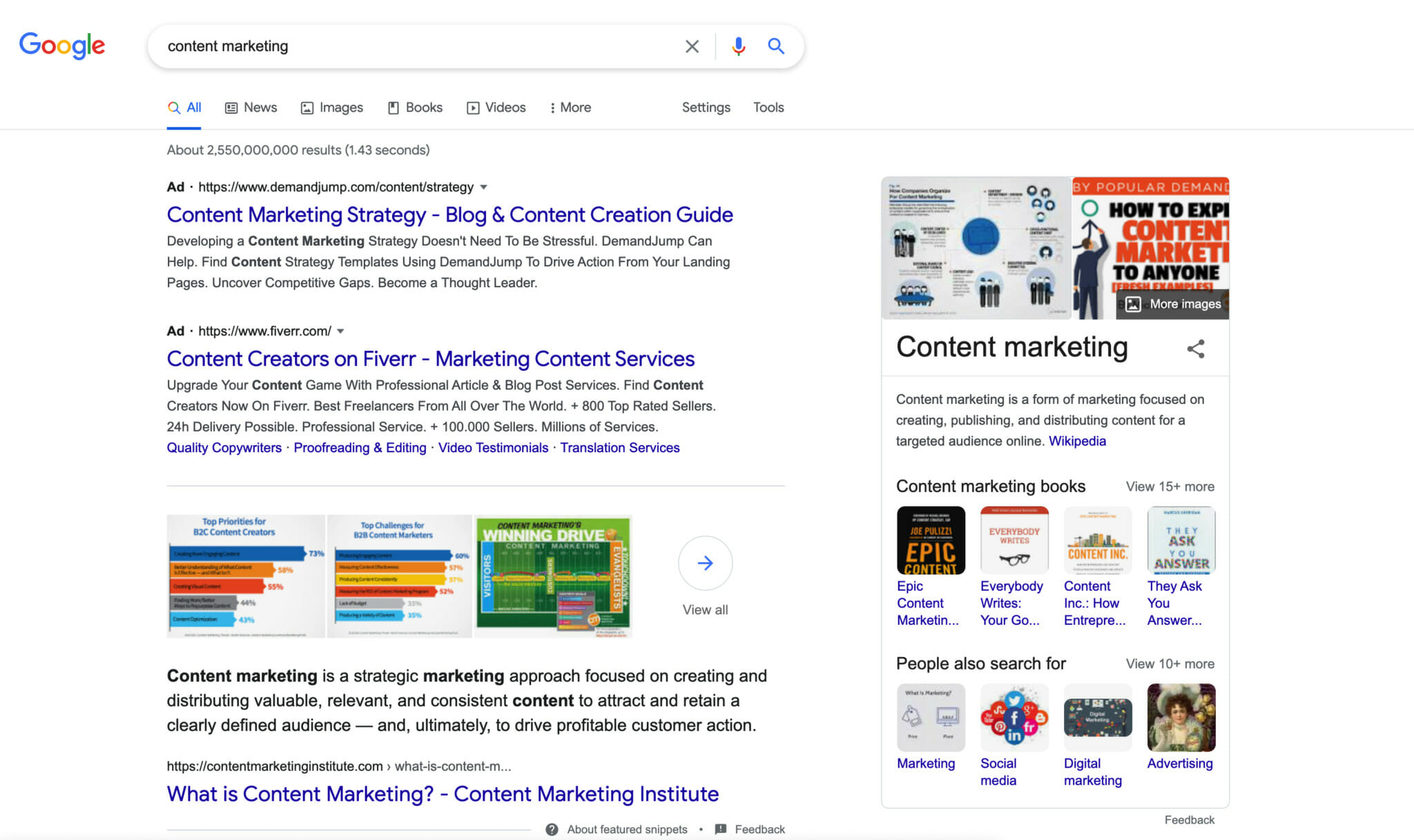
Google is always changing how it displays search results. The starting point for any effective SEO strategy is understanding what Google chooses to show and why. Only then can you figure out what you need to create or adjust on your site to show up more often—and in higher positions. 

In this article, you’ll learn a key part of that process: analyzing SERPs. I’ll also show you how to apply your analysis to win more relevant clicks.

Keep reading

Where to start? This year was…something. Despite everything going on, we still published, and you still read—and got better at data-driven marketing.

Here are the most read articles of the year.

Keep reading

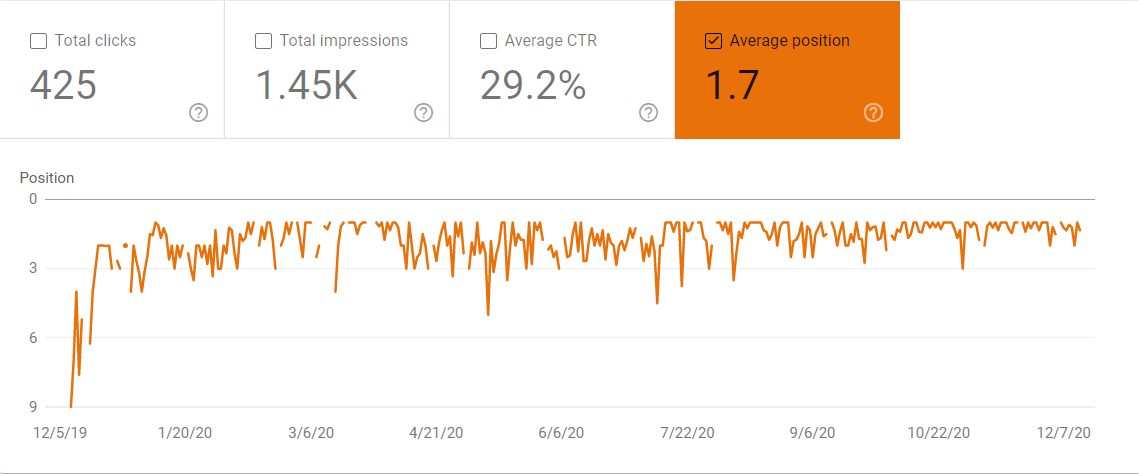
“Why don’t we rank first for [keyword]”? Every SEO analyst gets this question. And every business investing in SEO uses keyword rankings to judge performance.

Despite the flood of “organic rankings are dead” articles in recent years, I have yet to see a single business or agency that has given up on tracking keywords.

So are all those articles wrong? Or is everyone paying attention to the wrong metric? What makes sense when it comes to rank tracking in 2021 and beyond?

Keep reading

In a world where A/B tests are done by over 70% of online businesses, choosing not to follow a data-driven methodology to make informed decisions on website changes might seem unreasonable. 

But what if your website doesn’t have enough traffic? Or if your management refuses to justify the costs of A/B testing? At Map My Growth, we often face this scenario. 

You can either play a guessing game and hope that your optimization efforts will be successful, or you can use more qualitative (and often budget-friendly) methods to turn that guessing into a safer bet.

Keep reading

Like many young SaaS startups, we had no shortage of marketing and sales data, but it wasn’t easy to comprehend. The information was there, but it was scattered all over the place. 

Some bits and pieces could be found in Google Analytics, while other data was stored in BigQuery and ProfitWell. This arrangement made it challenging to give a quick answer to basic questions on user conversions or to comment on traffic rates and MRR. It wasn’t until we began creating custom dashboards to visualize our data that everything started to click. 

Keep reading

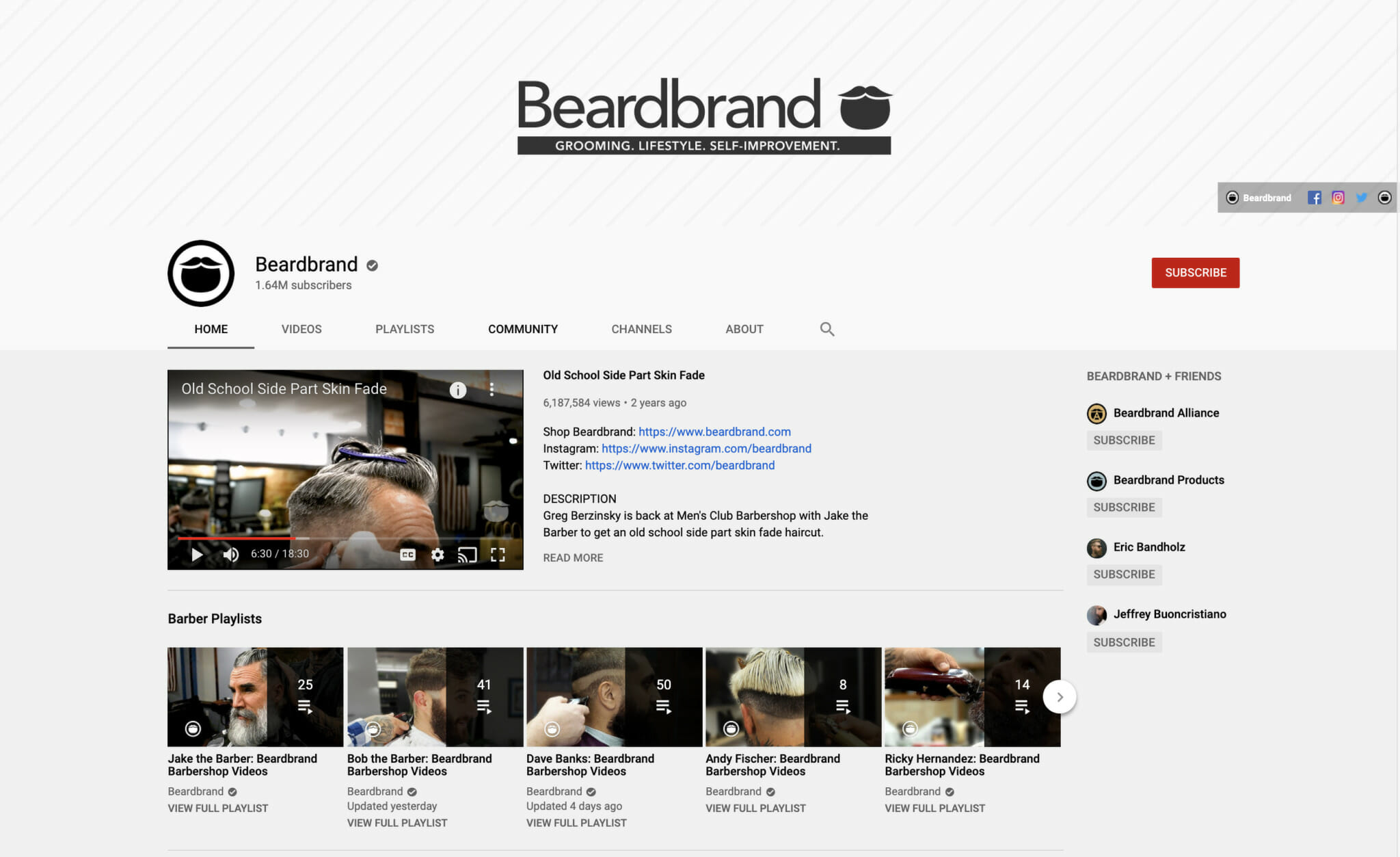
YouTube continues to be one of the best places to see organic growth, and the barrier to entry can be an advantage for companies and brands willing to put in the work. Whereas a blog post needs just a computer to type, a video requires an understanding of lighting, audio, storytelling, editing, and community building.

So, if you’re willing to fight through the learning curve and are patient enough to suffer through low viewership, you can generate significant exposure. In this article, I’ll show you how to turn YouTube into a core part of your marketing efforts. 

Keep reading

One of the most challenging parts of producing high-quality content is finding and sourcing accurate statistics and research. You’ll often go down the sourcing rabbit hole only to discover that a statistic is from 2012 or that the study’s sample size consisted of just a few people—and that’s only after you make an effort to dig deeper.

With many outdated and misleading statistics crowding the first page of Google, how do you know which stats are legitimate? How can you use research to strengthen your content rather than regurgitating the same old stats?

Keep reading

Categories

AI agents for B2B marketing

Automate content, SEO, and ads. Add buyer strategy, content funnels, apps, and AI readiness.

This program is designed to keep you up-to-date with B2B marketing and AI.

Check out the program