Digital Analytics

Conversion rate formula

Conversions are crucial to your business. But a good conversion rate doesn’t always mean more sales.

The magic of a conversion rate formula lies in gleaning marketing insights. It’s a window into what’s working and what isn’t so you can test, optimize, and improve.

In this article, we’ll explore how to calculate conversion rates and its application across different channels and customer journeys. We’ll also dive into the relationship between conversion rate and profitability and how to leverage your conversion rate formula to drive optimization efforts.


Keep reading

As is tradition with our other tool comparisons, this is not a dry feature-by-feature comparison of Segment and Mparticle. We won’t proclaim one is the ‘best’ customer data platform (CDP) for which every business, including yours, should use. Many factors, including your budget, company size, and current data workflow, will determine if either platform is the right fit. 

If you need a line by line feature breakdown, a quick Google search will serve you best in that case. 

Instead, we’ll be covering the core use cases that customer data platforms address and explore whether Segment or Mparticle ultimately deserves a spot in your tech stack. 

Keep reading

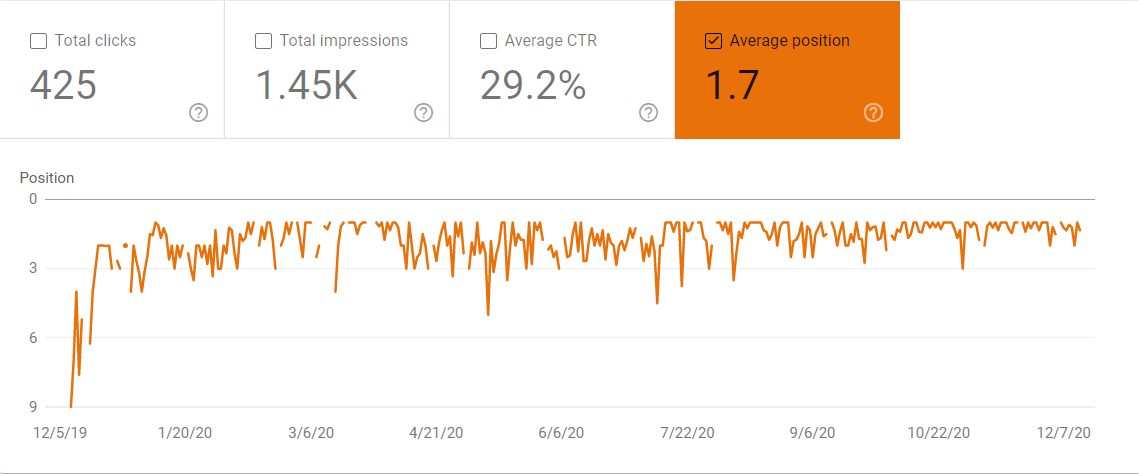
“Why don’t we rank first for [keyword]”? Every SEO analyst gets this question. And every business investing in SEO uses keyword rankings to judge performance.

Despite the flood of “organic rankings are dead” articles in recent years, I have yet to see a single business or agency that has given up on tracking keywords.

So are all those articles wrong? Or is everyone paying attention to the wrong metric? What makes sense when it comes to rank tracking in 2021 and beyond?

Keep reading

Like many young SaaS startups, we had no shortage of marketing and sales data, but it wasn’t easy to comprehend. The information was there, but it was scattered all over the place. 

Some bits and pieces could be found in Google Analytics, while other data was stored in BigQuery and ProfitWell. This arrangement made it challenging to give a quick answer to basic questions on user conversions or to comment on traffic rates and MRR. It wasn’t until we began creating custom dashboards to visualize our data that everything started to click. 

Keep reading

After receiving a $500k budget increase, someone in the C-suite must decide where to allocate these funds: remarketing budget, R&D, events, website redesign, etc.

What should they do? Do they need more information to decide? Even with new information, will that clarify the percentage allocation of funds?

As consumer needs and technology become increasingly complex, so too do the decisions. Modeling is critical for complex decision-making. Relying on intuition alone can set you up for failure.

Keep reading

When you hear “data segmentation”, it’s tempting to feel overwhelmed. Why? Segmentation can seem daunting (or boring) to those unfamiliar with it.

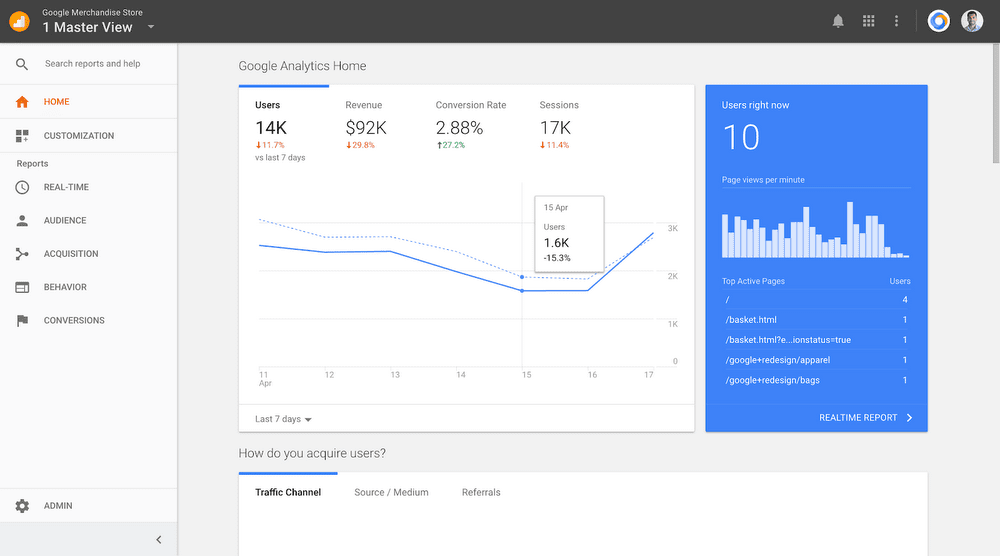
It’s an unfortunate because segmentation is perhaps one of the most effective tools at our disposal. The ability to slice and dice your Google Analytics data is the difference between mediocre, surface-level insights and meaningful, useful analysis.

In this article we’ll show you how to setup your Google Analytics to unlock actionable insights.

Keep reading

Google Ads Hub

Not long ago, it was common for marketers and web analysts to spend the bulk of their day staring at Excel spreadsheets, manually collecting and organizing ad spend data across dozens of sources.

You had to go to each advertising account and export statistics on advertising campaigns, such as ad impressions, clicks, and costs, then export data from the web analytics system, and, finally, combine all the data manually.

Not an optimal use of time. 

Keep reading

For a long time, I considered standard Google Analytics reports to be the best way to get useful insights. From time to time, I struggled with sampling, limitations, and weird results, but I didn’t see a way around it—until I discovered Google Analytics 360 and raw data exports into Google BigQuery.

After a few hours playing around with SQL, I was already able to deliver insights I never could have with aggregated Google Analytics reports. Since that day, I’ve been exploring how raw data can be a web analyst’s best friend.

Keep reading

Categories

AI agents for B2B marketing

Automate content, SEO, and ads. Add buyer strategy, content funnels, apps, and AI readiness.

This program is designed to keep you up-to-date with B2B marketing and AI.

Check out the program