A marketing matrix is a planning framework that helps marketers match content and messaging to different stages of the customer journey and different types of audience engagement. By mapping content against factors such as awareness, consideration, conversion, education, inspiration, and persuasion, teams can identify gaps, reduce duplication, and create content that better aligns with what customers need at each stage.
The difference between great ideas and great marketing is in the planning. A great idea has the potential to drive traffic and sales, but if you don’t communicate it in the right way to the right people, it will never take off.
In this article, you’ll learn how to plan and validate content using a marketing matrix so your next great idea strikes a chord with your target audience.
TL;DR
A marketing matrix maps content against two axes: customer journey stage and type of engagement (entertain, educate, inspire, convince);
It gives you a clear view of your content strategy, so you can spot gaps and stop duplicating content that’s already working;
To build one, define your target audience, analyze your marketing goals, and map existing content against the matrix to find opportunities;
Each quadrant calls for a specific format: entertainment for awareness-stage engagement, knowledge for consideration-stage research, interaction for active evaluation, and action for decision-stage conversion;
Track performance by quadrant to see which content formats drive conversions and which drain budget.
What is a marketing matrix and what’s its purpose?
A marketing matrix is a planning tool to help you build marketing campaigns around what your audience engages with. It’s a way to visualize your strategy, allowing you to think in two directions: a potential customer’s interests and their stage in the marketing funnel.
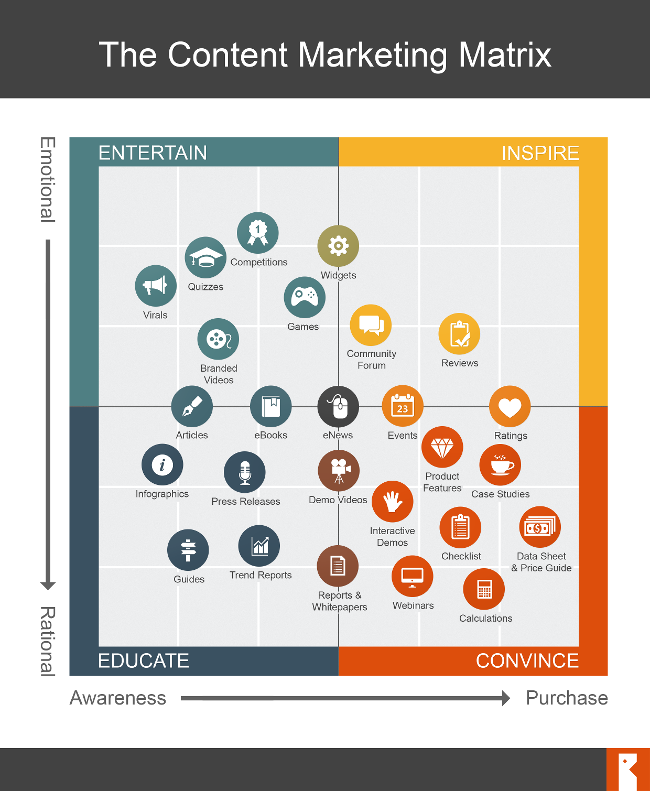
A matrix is a scatterplot that runs on two axes. Take this example by SmartInsights:
The horizontal axis (X) represents the different stages of the customer journey as people move from awareness to purchase.
The vertical axis (Y) shows the type of content needed at each stage of the customer’s decision-making process. Emotional appeals consistently outperform purely rational ones.
HubSpot’s analysis of 1,400 advertising campaigns found that ads with purely emotional content performed roughly twice as well as those relying only on rational content: 31% versus 16%.
To help you come up with ideas, SmartInsights divides its content marketing matrix into four quadrants:
Entertain;
Educate;
Inspire;
Convince.
These align with the customer journey. For example, if your audience is in the awareness stage, they’re researching a problem. Content like branded videos, articles, or guides entertain and educate prospects to build brand awareness.
As people become familiar with your brand, marketing moves towards consideration and purchase. Introducing ratings or case studies alongside a product demo or webinar can inspire a prospect and convince them to act.
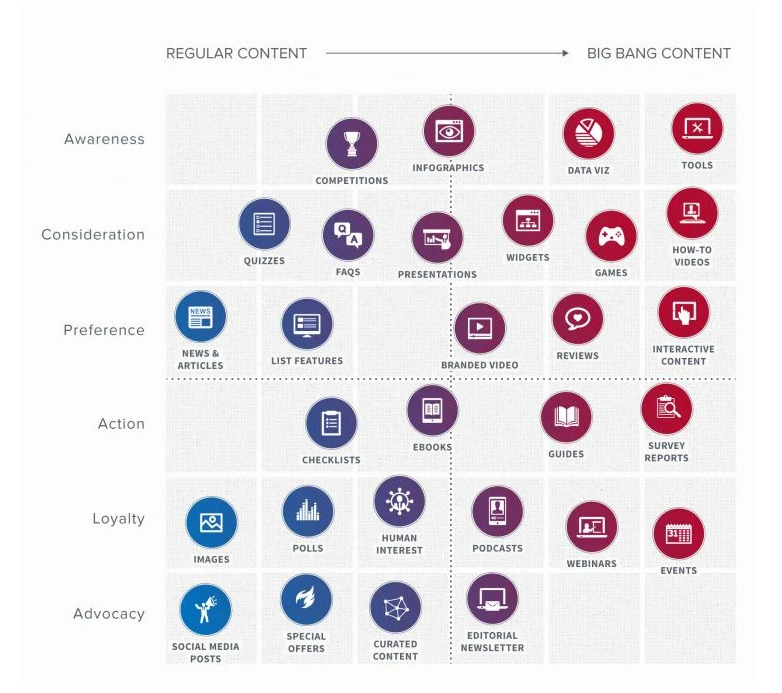
Storm ID maps content to four purposes: entertain, educate, inspire, and convince, mapped against funnel stage.
In this example, the y-axis represents the customer journey. However, it goes beyond purchase (action) to include marketing tactics to foster loyalty and advocacy.
Keeping customers happy after an initial transaction helps to increase customer retention. Positive sentiment is also a powerful acquisition tool. The more existing customers recommend you, the less you need to spend on marketing to new ones.
The x-axis represents the type of content that will be used and the type of impact it will have, with big-bang content being the most resource-intensive but highest-impact format.
But its purpose is the same: to provide a framework to map content, evaluate strategy, and identify its strengths and weaknesses.
How to apply a marketing matrix to your business
To reap the benefits of a marketing matrix, build from the bottom up:
1. Define your target audience;
2. Analyze marketing goals;
3. Map existing content to identify opportunities.
Let’s explore these steps further.
1. Define your target audience
Successful marketing starts by understanding who your customers are and what they need.
When you’re clear on your audience, you’ll focus your efforts on content that engages them, making better use of your time, energy, and resources.
You might have detailed customer personas in your marketing strategy. Even if they are, it’s worth reassessing, especially if current marketing tactics aren’t hitting the mark.
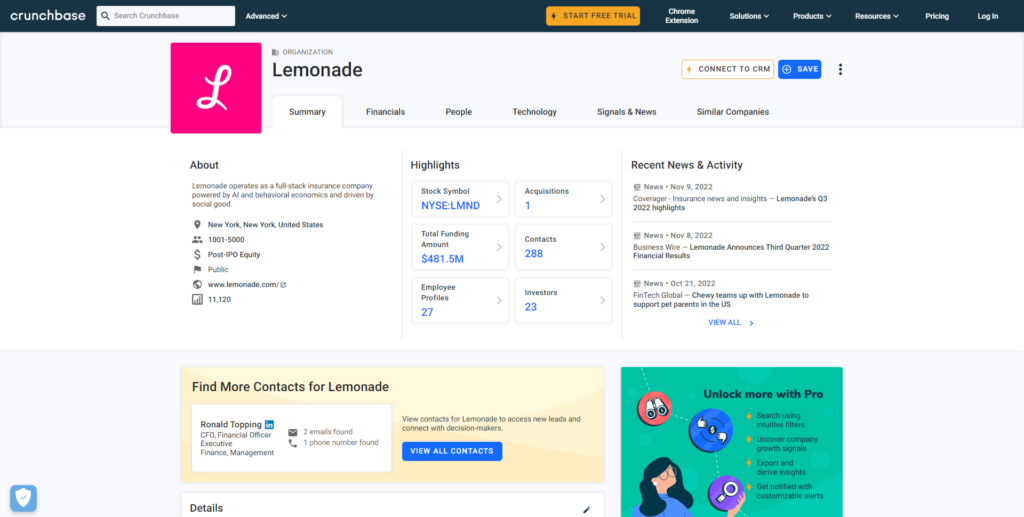
Start by looking at your CRM and data sources like LinkedIn’s Company Directory or Crunchbase for firmographic data. This will help you identify key factors about target customers, such as:
Industry type;
Organization size;
Revenue;
Location;
Ownership structure;
Growth trends.
The information gives you insight into how your product might be relevant by answering questions like:
Who is the lead?
Where do they work?
What is their position?
Supplement with source data. Look at your analytics and talk to customers to find out:
How people find you. What brings people to your website? What types of prospects make up your largest demographic of visitors?
What interests your prospects. Where are people coming from? Are they looking for broad or targeted information?
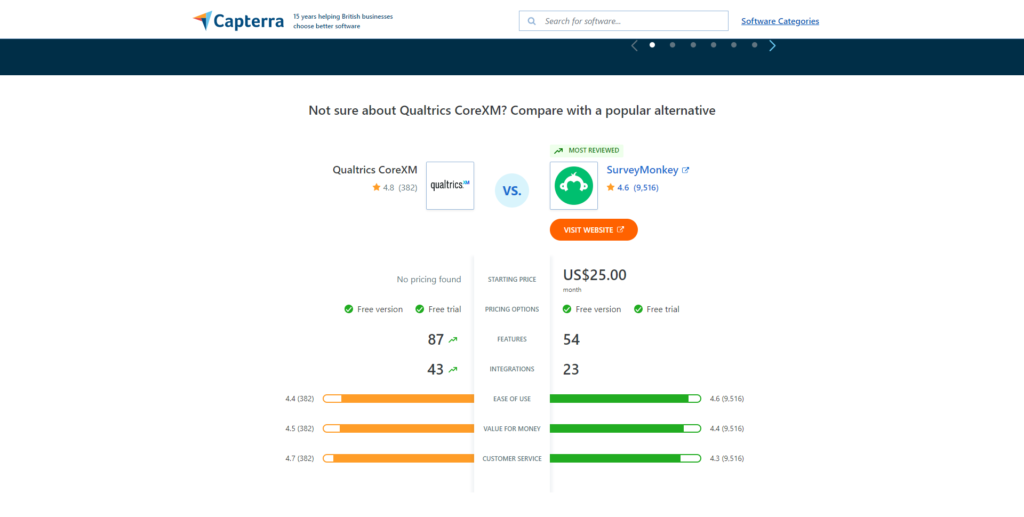
For example, if somebody visits your website from a comparison site like Capterra, you can assume that they know about your product, but are assessing their options.
How you engage this visitor will be different than somebody who has landed on your blog via a branded search on Google.
Finally, analyze customer behavior. How people interact with your business will help you establish where they are in the B2B buying journey and inform the type of content to prioritize.
For example, a person clicking through to your landing page from a press release is likely learning about your business. Whereas, a person visiting a pricing page likely knows what your product does and is thinking about purchasing.
When you’re clear on who you’re targeting, you can establish what you want marketing to achieve.
2. Analyze your marketing goals
To move your business forward, goals have to be well-defined and measurable.
For example, a goal to “increase email conversions” is too vague to assess performance. However, a goal to “earn ten clients from our current list using email marketing” is measurable.
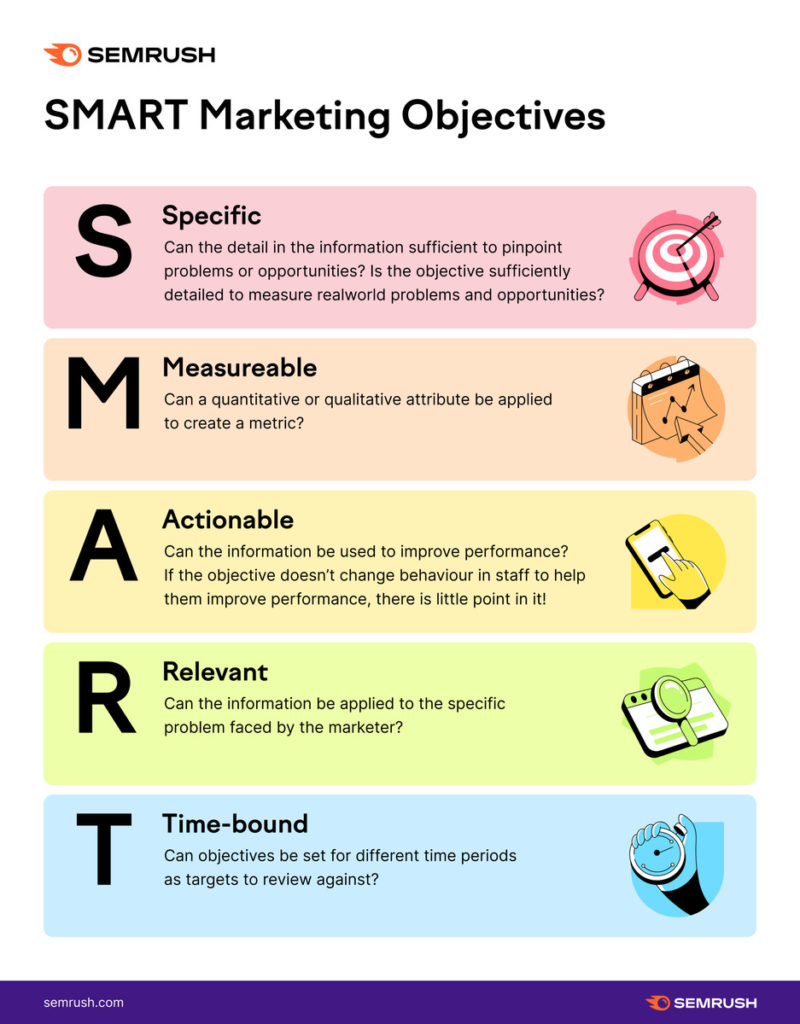
Assess your current marketing goals against the SMART framework. Each goal should be:
Specific;
Measurable;
Actionable;
Relevant;
Time-bound.
If a goal doesn’t contribute to you getting where you need to be, re-evaluate it with numbers:
Step 1. Identify how much revenue you need to make from your marketing efforts. For example, if you made $500,000 in sales and aim to grow by 30% next year, you need to make $650,000. You can look at how much guaranteed sales income you have for next year and deduct that from the total to determine how much you need to close.
Step 2. Establish how many sales you need to hit your target. For example, if you need to make $200,000 to meet revenue goals and your average sale is $10,000, you need 20 new customers.
Step 3. Use your close rate to determine how many opportunities you’ll need. For example, if your close rate is 25%, in line with average B2B SaaS close rates of 15-20%, and you need 20 customers, you’ll need 80 opportunities.
Step 4. Identify how many leads you need. Look at your data to determine how many prospects become marketing-qualified leads (MQLs) and how many become sales-qualified leads (SQLs).
Step 5. Use lead data to determine how many leads to generate. Using our revenue example, if 50% of prospects become MQLs and SQLs, you’d need to capture around 320 MQLs in the next year, which will turn into 160 SQLs for the sales team to get 80 opportunities (and 20 sales).
Step 6. Estimate how much traffic you’ll need to reach your goal. Look at your traffic to lead conversion rate to work out how many people marketing needs to drive to your website. If your conversion rate is 2.5%, using our example, you’d need around 30,000 visitors, which will turn into 750 leads, who will become 320 MQLs, and so on until you meet your sales target.
When you’re clear on your goal, set monthly or quarterly benchmarks. For example, for Q1 you might set a target of 5,000 visitors. As your marketing ramps up, by Q4 you might set a higher target of 15,000 visitors.
Once you know what you want marketing to achieve, look at which of your current channels can contribute to your objectives.
3. Map existing content to identify opportunities
To develop content that meets audience needs and your goals, evaluate your marketing strategy. For a more structured approach, CXL’s guide to AI-powered content gap analysis walks through how to audit content at scale and spot what’s missing.
Map assets based on:
Where they fit into the buyer’s journey. Which content works best for awareness, consideration, action, loyalty, and advocacy?
How they appeal to the customer. Is your content more emotional (e.g., a viral video) or rational (e.g., a whitepaper)? Is it regular content you can produce in volume (e.g., social media posts) or big bang content that requires more resources but delivers better results (e.g., a webinar or event)?
Look at content performance to analyze strengths and weaknesses.
How much traffic does it drive?
How many shares, comments, and likes does it get?
How many leads does it convert?
Use this information to place content accordingly in the matrix. For example, how-to videos are often most effective for visitors considering their options. They’re also among the most resource-heavy to produce.
Anything that doesn’t contribute towards your goal is a weakness to improve or drop from your marketing strategy. Any gap in your matrix is an area to exploit.
Some gaps stand out from the way content fits into the matrix. For example, a lack of leads converting to customers may be evident in a lack of sales enablement content (e.g., case studies, pricing page, or a product demo).
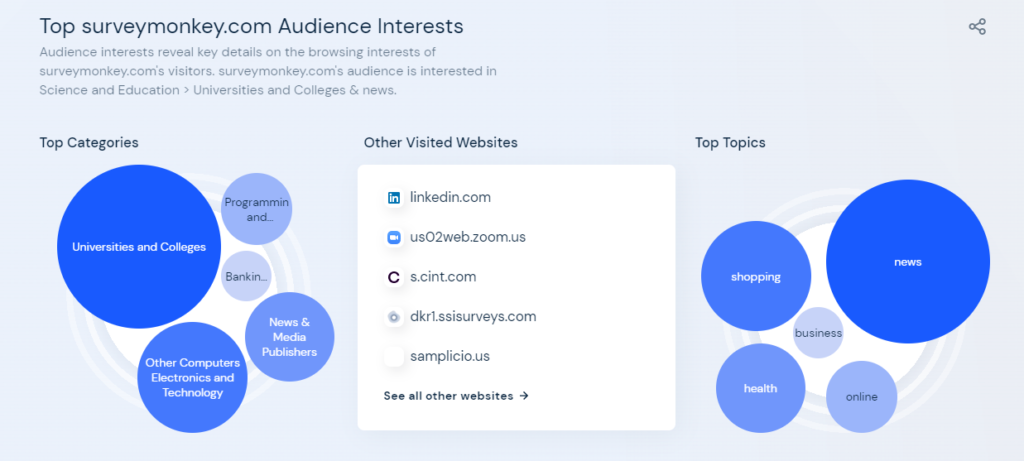
Others may be harder to spot. To identify new content opportunities, run a competitive matrix. Research competitor marketing channels to identify how they reach customers and promote products. Use a tool like SimilarWeb or Semrush to find out:
Map competitor content and compare it to your own.
What are competitors doing that you aren’t?
What are you doing that competitors aren’t?
What are you doing better or worse?
Where are the gaps?
Knowing how you compare to competitors will help you brainstorm ideas to differentiate your offer. It also gives you a benchmark to work from. Deliver more value and you’ll gain a competitive advantage.
How to choose the best content format in each matrix quadrant
To resonate, marketing has to deliver on a need. Think of content as your way to build a movement. Customers aren’t solely in it for the transaction; they’re in it for the experience.
The research shows trust outweighs brand reputation, convenience, and love as a buying factor. The 2025 Edelman Trust Barometer Special Report on brand trust found that 80% of people trust the brands they use. That’s more than they trust business as a whole, media, government, NGOs, or even their own employer.
You earn trust through connection. As Gekko founder Daniel Todaro writes:
When we buy into a brand, they are offering us more than products and services, we are buying into a lifestyle. We become part of their tribe. This is a particularly strong trait for technology users. People define themselves by the gadgets and brands they favor, for example, whether they are an iOS user or an Android user. Apple achieved such success by the ability to move technology from the practical to an emotional, tactile, beautifully designed and built piece of hardware product that created the genuine ‘love’ of users. – Daniel Todaro [via Branding Magazine]
If you engage your audience on an emotional level, you’ll deepen your connection with them, making it easier for them to justify a purchase rationally.
Choose content based on its ability to meet customer needs at the moment. In every case, it should improve their situation, whether that’s by solving a problem, delivering clarity, or making them laugh.
SmartInsights’ four matrix quadrants work because they cover what customers want to experience to form emotional connections and make smart choices.
Populate your marketing matrix with an even spread of content that entertains, educates, inspires, and convinces to move them from awareness to purchase.
1. Capture interest through entertainment
GWI’s social media research shows entertainment is no longer the main draw online. News consumption is now one of the top reasons people log on, and messaging or connecting with friends and family is rising too. TikTok has seen a 58% increase in people using it to keep up with the news since Q4 2021, alongside a 58% increase in people using it to message friends and family.
Entertaining content still has a role in building awareness, even as usage patterns shift. Take Grammarly. Its TikTok content pokes fun at the struggles of writing essays, sending work emails, and making grammar mistakes.
Its content is fun and relatable. It also cleverly highlights the value of Grammarly’s editing tool, without a call to action (CTA).
At this point in the customer relationship, Grammarly is an account sharing content that makes people laugh and empathize. But it’s created an emotional connection.
When a person’s needs change to seeking help to write a work email, they’ll recognize Grammarly as a brand that understands the situation and visit the company’s social media platforms or website for tips.
Use entertaining content as a way to engage people as they scroll. Experiment with:
Since Q4 2021, TikTok has seen a 71% increase in people using the platform to follow or find information about brands and products, and Snapchat has seen a 31% increase, according to GWI’s 2026 social media data. This shows a shift in how social platforms work: they’re becoming discovery engines, not just entertainment channels.
Where entertaining content captures the audience’s attention while they’re mindlessly browsing, educational content captures attention by meeting intent.
At this stage in the buyer’s journey, people are exploring a problem. Choose content that helps them feel empowered, educated, and informed:
How to videos;
Blog posts;
Guides;
Podcasts;
Reports.
Conversational marketing company Drift is a great example of how to use content to educate and engage an audience.
Drift’s blog is filled with tips and tricks, guides, and listicles.
Drift’s content is helpful to the target buyer and tips are always up-to-date. Posts also deliver a fresh take. Drift avoids rehashing what’s already been said or done. This adds to its authority and differentiates its marketing.
Content also revolves primarily around one subject: sales. While posts cover various topics, including content marketing and web design, they all tie into helping people increase sales. Focusing on what you’re best at makes it easier to become known.
Key to Drift’s content approach is empowering its team. The company hands over the reins to its in-house marketers. Take the intro to this post on sales closing techniques by Brooke Freedman.
The reader isn’t getting tips based on blind opinions; they’re being educated by someone who has been there and done it.
This clever move by Drift inspires confidence and, thus, trust. Your team has knowledge customers can benefit from. Invite them to share their expertise.
Their input brings fresh perspectives and insights. It also lets people see the team behind the corporate profile. According to Sprout Social’s Q3 2025 Pulse Survey, some 52% of Gen Z trust information about a brand or product on social media more than traditional search or AI chatbot searches, a sign that employee and peer voices now carry more weight than branded channels alone.
3. Increase trust through interaction
In the consideration stage of the buyer’s journey, people are weighing up their options. Content from other companies offering a similar product gives them plenty of opportunities to change their minds. Use inspirational content to deepen emotional connections and separate yourself from the noise by showing customers you care.
Demonstrate good listening skills
Marketing is a two-way street. People want brands to listen to them and understand their concerns. Open yourself up to customers by interacting with them. Experiment with:
Community forums;
Events;
Social media Q&As.
Any avenue that lets you engage your audience directly is a way to demonstrate value and instill confidence that your brand shares their concerns.
Show you share the same values
According to Kantar’s Marketing Trends report, 65% of people value companies that promote diversity and inclusion. For brands, that means moving beyond performative statements and being clear about the values they stand for, backed by visible action.
Put purpose at the core of inspirational content. Explain why you exist and what problem you solve. This will help you win customers who share the same beliefs.
Asana, for example, has a clear reason why it exists.
It’s why is “to help humanity thrive by enabling the world’s teams to work together effortlessly.”
It’s what is powering “businesses by organizing work in one connected space.”
You can see this purpose reflected throughout Asana’s marketing, in its social media content and blog content.
Build ideas around your what and why. Purpose gives your content stature and credibility that inspires an army of loyal followers and advocates.
4. Answer buyer questions to inspire action
At the point of purchase, people are searching for logic. They want to justify their emotional decision-making. Content for the final quadrant tells them why your product is the right choice.
Create landing pages that hit on key buying factors:
Take ActiveCampaign’s pricing page. A sliding bar lets customers choose a plan based on how many contacts they have. This is a great confidence builder, ensuring people get a product that works for them without paying over the odds for features they don’t need.
Moving down the page, the brand reminds customers of the benefits of using the product. This reaffirms what research and emotions have told them so far: that ActiveCampaign is the best option. Any last-minute fears are alleviated further with answers to frequently asked questions and the opportunity to speak to a sales rep.
Finally, the page hammers home why customers should act. Awards work as social proof, backing up everything ActiveCampaign has said so far. The call-to-action removes price as a friction point for signing up.
The option to “Try it now, for free. No credit card required. Instant set-up.” makes it easier to commit. If you don’t like it, you can walk away without being charged.
To convince customers to take action, reinforce what they already know about your brand. Use:
Case studies to show how your product has worked for similar companies;
Webinars to walk customers through the benefits of the product;
Price guides and calculators to help stakeholders justify the cost;
Product demos to let customers get hands-on with your product;
Customer reviews and industry awards to increase buyer confidence.
Choose a content format based on where the customer sits in the buyer’s journey, not on what’s easiest to produce. Entertainment builds awareness, knowledge builds consideration, interaction builds trust, and proof drives the decision.
How to track performance with a measurement matrix
A marketing matrix helps you engage customers at every stage in their journey. A measurement matrix is how you measure if your efforts are paying off. If you need to connect that measurement back to revenue, CXL’s three-pillar framework for B2B marketing attribution is a useful companion to the matrix below.
Content on a measurement matrix is mapped in a similar way to the marketing matrix but instead places content by performance.
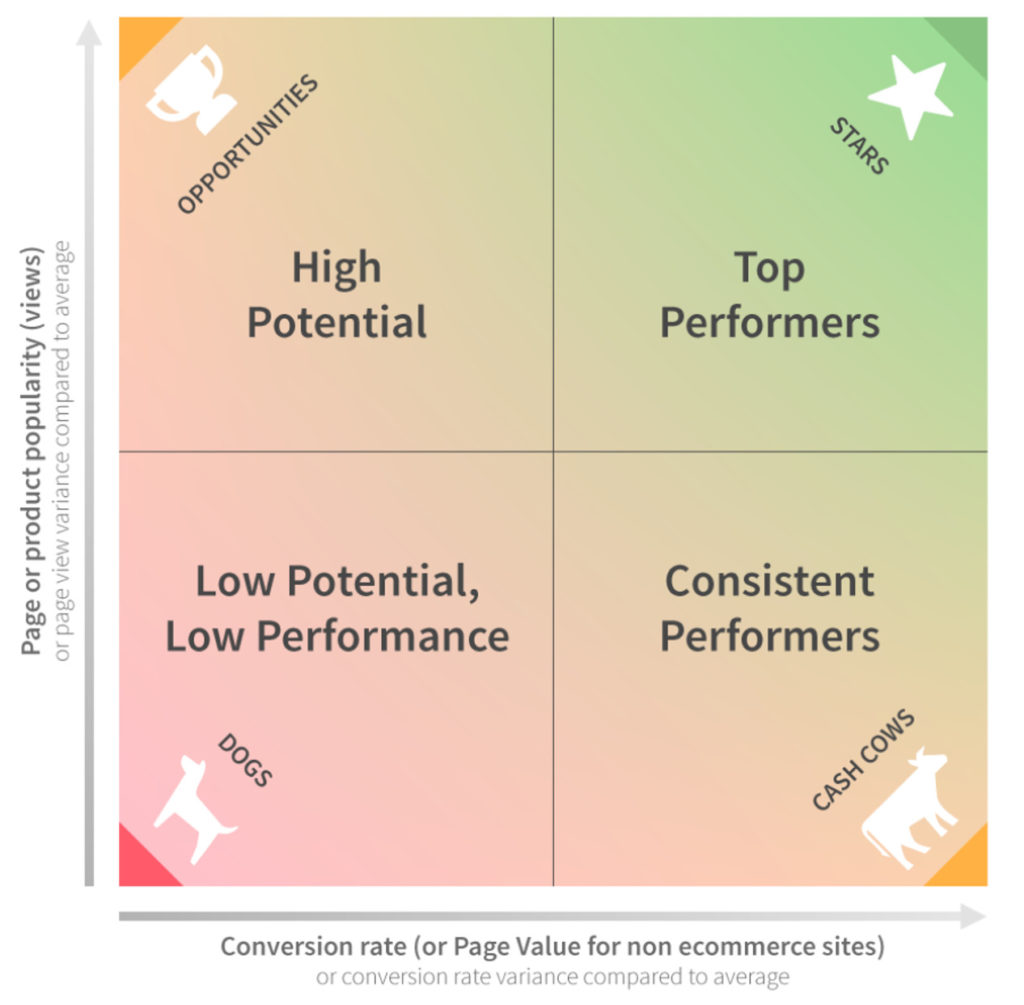
Here’s an example from Orbit Media’s Content Performance Matrix, which plots content by page views against conversion value to show what to prioritize next.
The y-axis compares the relative page popularity based on views against the x-axis, which measures the page’s effectiveness based on conversion rate or page value.
Content falls into one of four quadrants:
Top Performer. Content that drives the most traffic, leads, or sales.
High Potential. Content that drives a high amount of traffic but has lower conversions and a potentially high bounce rate.
Consistent Performers. Content that has a low reach, but is effective at driving conversions.
Low Potential, Low Performance. Content that has a low reach and low conversion rates.
By plotting content by these measures, you can identify what works well and what’s underperforming to better use your resources. For example:
Position top-performing content more prominently in the customer journey to drive traffic and sales.
Make tweaks to increase the effectiveness of high-potential content (e.g., tweak CTAs to boost conversions or optimize content to improve SEO).
Share consistently performing content on social media and use ads to increase reach and drive traffic.
Move budget away from low-performance content and brainstorm ways to replace it with more effective marketing.
Traffic. Spot trends in visitor numbers and find out where visitors come from to identify popular pages and channels.
Engagement rate. Learn which content resonates with your audience so you can mimic it in future campaigns.
Bounce rate. Understand why people leave your website to improve messaging and/or design.
Conversion rate. Identify which content drives the most leads or customers to find the right formula for forms and landing pages.
Click-through rate. Understand the factors that drive clicks to improve the efficiency of email and ad campaigns.
Look for content trends. What elements are shared by top-performing assets (e.g., subject, images, or messaging)? Think about how you can use these to improve high potential and consistent content.
Above all, rank assets by how they meet your goals. If content doesn’t work toward one or more of your objectives, don’t persist with it.
FAQ
What is a marketing matrix?
A marketing matrix is a planning tool that maps content against two axes: a customer’s stage in the marketing funnel and the type of content needed to engage them at that stage. It gives you a full view of your content strategy so you can spot gaps and duplication.
What are the four quadrants of a content marketing matrix?
The most common version, from SmartInsights, splits content into four types: entertain, educate, inspire, and convince. These map to the customer journey, from awareness through to purchase.
How do you build a marketing matrix?
Start by defining your target audience, then analyze your marketing goals, and map your existing content against the matrix to find where you have gaps or overlap.
What’s the difference between a marketing matrix and a measurement matrix?
A marketing matrix maps what content you need to create. A measurement matrix maps how that content is performing, plotting pages by popularity (views) against effectiveness (conversion rate or page value).
Why use a marketing matrix instead of a standard content calendar?
A content calendar tracks when you publish. A marketing matrix tracks why: it shows whether your content lines up with where your audience is in their journey, and whether you’re over-investing in one stage while neglecting others.
Conclusion
A marketing matrix is a grid or framework that tracks your content and its relevance to your audience.
Use a matrix to audit your content periodically. Adjust channels and assets according to performance and your digital marketing strategy. Analyze content against how it contributes to your goals. It takes time, but the matrix identifies which content drives conversions and which needs to be reworked or retired.
CXL’s Content Strategy and SEO for Lead Generation course teaches you to build content strategies designed for genuine impact, not vanity metrics. If your matrix work is exposing gaps in how well you understand your buyer’s path, the Customer Journey course will help you map it and find the friction points.
Building and reading a matrix is also a good test of where your team sits on the AI-native curve. CXL’s guide to the 5 skills modern marketers need to become AI-native breaks down the gaps that keep marketers stuck auditing content manually instead of running it as a system.
If you’re building a complete content and AI strategy, the AI-Native Marketer program teaches you to run your content strategy, production, and measurement with AI doing the heavy lifting, so you can focus on strategy decisions that impact revenue.
Forms sit directly between user intent and conversion. Whether someone is creating an account, becoming a lead, completing a checkout, or submitting a request, unnecessary friction in the form can stop the process.
Good form design reduces that friction. It asks only for information that is needed, makes fields easy to understand and complete, prevents avoidable errors, and helps users recover quickly when something goes wrong.
FormAssembly’s analysis of 1.6 billion user interactions across different form types, industries, and devices found that nearly one in three forms experienced drop-off in completions. Long forms, confusing experiences, and poor feedback were among the recurring friction points.
You put tons of time into creating your product, experimenting with acquisition channels, and honing your messaging.
Yet here I am, about to tell you that consumers are often swayed by such subtle nudges as the order in which you present your products, or the “serial position effect.”
When Warren Buffett coined the term “economic moat”, he stated that the products that have wide, sustainable moats around them, are the ones that deliver rewards to investors.
That’s why determining the competitive advantage of any company is key to investing, to which moats were initially tethered: a bigger moat makes a stock a better bet.
But the implications are broader, for companies large and small. An effective moat doesn’t require Amazon’s distribution network or Microsoft’s monopolistic software strategy.
Your brand’s value proposition is a promise of value to be delivered. It’s the primary reason a prospect should buy from you.
It significantly influences whether visitors continue exploring your product or hit the back button. On your site, your value proposition is the main thing you need to test. Get it right, and it will make a real difference to your conversion rate.
Testing your value proposition should be a top priority in your conversion optimization work.
The less known your company is, the better your value proposition needs to be.
TL;DR
A UVP is not a slogan. It’s a specific, testable statement of relevance, quantified value, and differentiation; not a tagline or positioning statement.
Clarity beats cleverness every time. If a reader can’t explain your offer back to a friend in one sentence, the value proposition has failed.
Structure it the same way every time: headline, sub-headline or short paragraph, three bullet points, and a supporting visual.
Test it with genuine prospects, not just A/B tests. Message testing tells you why something isn’t working; split testing only tells you whether it worked.
AI has changed how fast you can draft and test variants, but it hasn’t changed what makes a value proposition work: specificity, evidence, and language taken from actual customers.
A unique value proposition (UVP) is a clear statement that explains the benefits of your product, how it solves customers’ problems, why it is different from the rest, and why customers should buy it.
In marketing, an ideal unique value proposition must provide the following:
Relevancy. Explain how your product solves customers’ problems or improves their situation.
Quantified value. Deliver specific benefits.
Differentiation. Tell the ideal customer why they should buy from you and not from the competition.
Your value proposition has to be the first thing visitors see on your homepage, but it should also be visible at all major entry points to the site.
That message has plenty of influence over the buying decision: Wynter’s research found that 100% of the B2B SaaS CMOs surveyed visit a vendor’s website before making a purchase decision.
It’s not just for aesthetics or to placate a CEO or copywriter. Ultimately, it can improve your customer lifetime value. When we reviewed a range of websites, a missing or poor value proposition was one of the most common shortcomings. The value proposition definition above includes three important factors; make sure you cover all of them in yours.
People should read and understand your unique value proposition
A value proposition is something real humans are supposed to understand. It’s for people to read. Here’s an example of what a value proposition is not supposed to be like:
Revenue-focused marketing automation & sales effectiveness solutions unleash collaboration throughout the revenue cycle
Most readers wouldn’t be able to explain that offer to a friend or say how they’d benefit. Such meaningless “jargon propositions” are abundant. Avoid vague generic messaging.
Jargon is still a common reason messaging fails: in Wynter’s study of B2B SaaS marketing leaders, 18% cited buzzwords and terminology customers didn’t understand as a source of messaging confusion.
Use the right language for your unique value proposition
Your value proposition needs to be in the language of the customer (informed by customer research and buyer intelligence). It should join the conversation that’s already going on in the customer’s mind. To do that, you need to know the language your customers use to describe your offering and how they benefit from it.
You cannot guess what the right language is. The way you speak about your services is often very different from how your customers describe them. The answers are outside your office. You have to interview your customers to find it out, or use a message-testing tool like Wynter, which puts your draft copy in front of your actual target buyers and reports back on clarity, relevance, and differentiation.
What the value proposition is not
It’s not a slogan or a catch phrase. This is not a value proposition:
L’Oréal. Because we’re worth it.
It’s not a positioning statement. This is not a value proposition:
America’s #1 Bandage Brand. Heals the wound fast, heals the hurt faster.
A positioning statement is a subset of a value proposition, but it’s not the same thing.
What is the structure of a unique value proposition?
The value proposition is usually a block of text (a headline, sub-headline, and one paragraph of text) with a visual (photo, hero image, graphics).
There is no single right way to go about it. We suggest you start with the following formula:
Headline. What is the end-benefit you’re offering in one short sentence? It can mention the product and/or customer. Make it an attention grabber.
Sub-headline or a 2-3 sentence paragraph. A specific explanation of what you do/offer, for whom, and why it’s useful.
Three bullet points. List the key benefits or features.
Visual. Images communicate much faster than words. Show the product image, the hero shot, or an image reinforcing your main message.
Note: Having solid product images is just one piece of the puzzle.
Evaluate your current value proposition by checking whether it answers the questions below:
What product or service is your company selling?
What is the end-benefit of using it?
Who is your target customer for this product or service?
What makes your offering unique and different?
Use the headline/paragraph/bullets/visual formula to structure the answers. (Wynter’s value proposition canvas can help you map customer pains, gains, and needs to the value your product provides.)
What makes a great value proposition?
A great value proposition is clear: it explains what the offer is, who it’s for, and how it’s useful. If those questions are answered, you’re on the right path. Always strive for clarity first.
If your value proposition makes people go “hmph?”, you’re doing it wrong. If they have to read a lot of text to understand your offering, you’re doing it wrong. A sufficient amount of information is crucial for conversions, but you need to draw people in with a clear, compelling value proposition first.
Creating meaningful differentiation remains a challenge for companies. Wynter’s research found that 26% of B2B SaaS marketing leaders pointed to a lack of genuine product differentiation as a reason brands end up sounding alike.
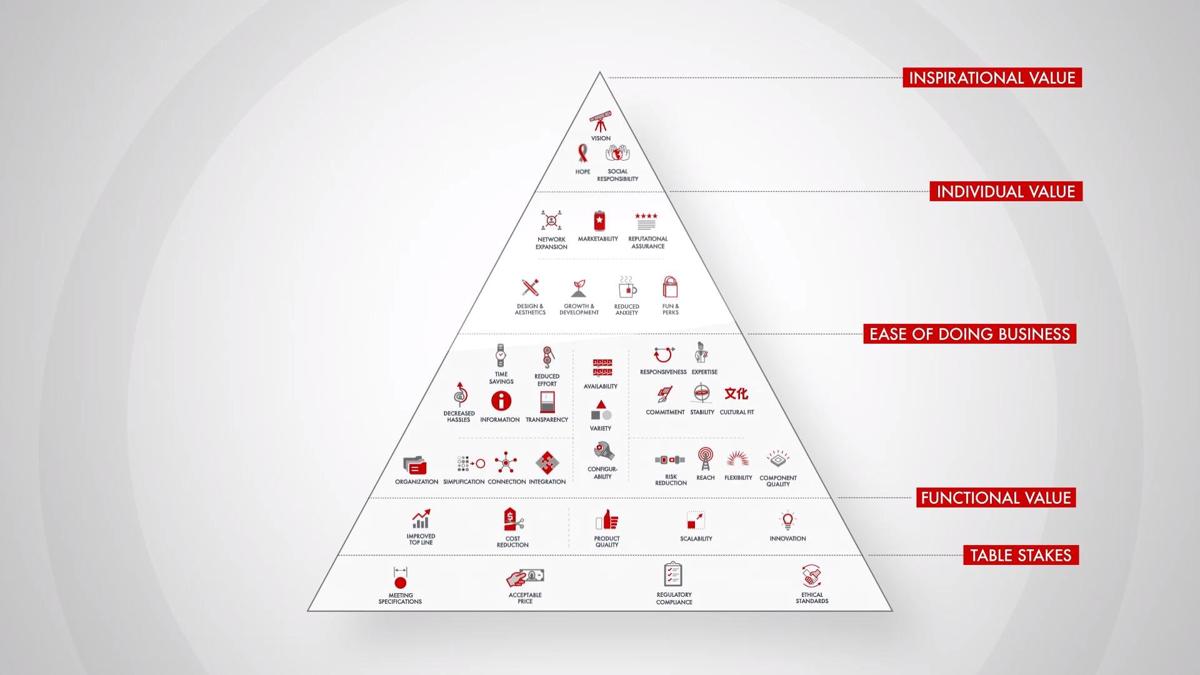
A separate, B2B-specific framework worth knowing is Bain’s B2B Elements of Value, which breaks buyer value into 40 elements across five categories, from table-stakes functional value up to elements that affect a buyer’s own career and reputation. It’s a useful checklist for finding value your competitors haven’t claimed yet.
What makes a good value proposition?
Clarity: it’s easy to understand.
It communicates the concrete results a customer will get from purchasing and using your products and/or services.
It says how it’s different or better than the competitor’s offer
It avoids hype (like “Never seen before!” or “Amazing miracle product!”), superlatives (“best”), and business jargon (“value-added interactions”).
It can be read and understood in about five seconds.
Also, in most cases, there’s a difference between the value proposition for your company and your product. You must address both.
Why does the presentation of your value proposition matter?
Noticed the value proposition more quickly when it had more text (i.e. took up more real estate on the page).
Spent longer on a value proposition as opposed to elsewhere on the page when there was more to read.
Recalled more services offered by the site when more services were listed.
Described more website advantages when there were more features and benefits available to read.
Preferred information in the form of bulleted lists.
Showed a preference for page design that was influenced by which variation they saw first.
A key role for the value proposition is to set you apart from the competition. Most B2B buyers still review several vendors before deciding, which means your offering needs to stand out during that research phase, not just on the final call.
That comparison happens early: A buyer experience report found that buyers evaluate an average of 5.1 vendors, and the eventual winner is already on their Day One shortlist 95% of the time.
7 great unique value proposition examples
Perfect value proposition examples are rare because they’re difficult to create. We find flaws or room for improvement in most value propositions we come across.
We’re also fully aware that we’re not the ideal customer for many of the examples shown below, and our critiques are educated hypotheses that should be tested. The screenshots below capture each homepage at the time of the original review; some companies have since updated their messaging, which is a useful reminder that a value proposition is never “finished.”
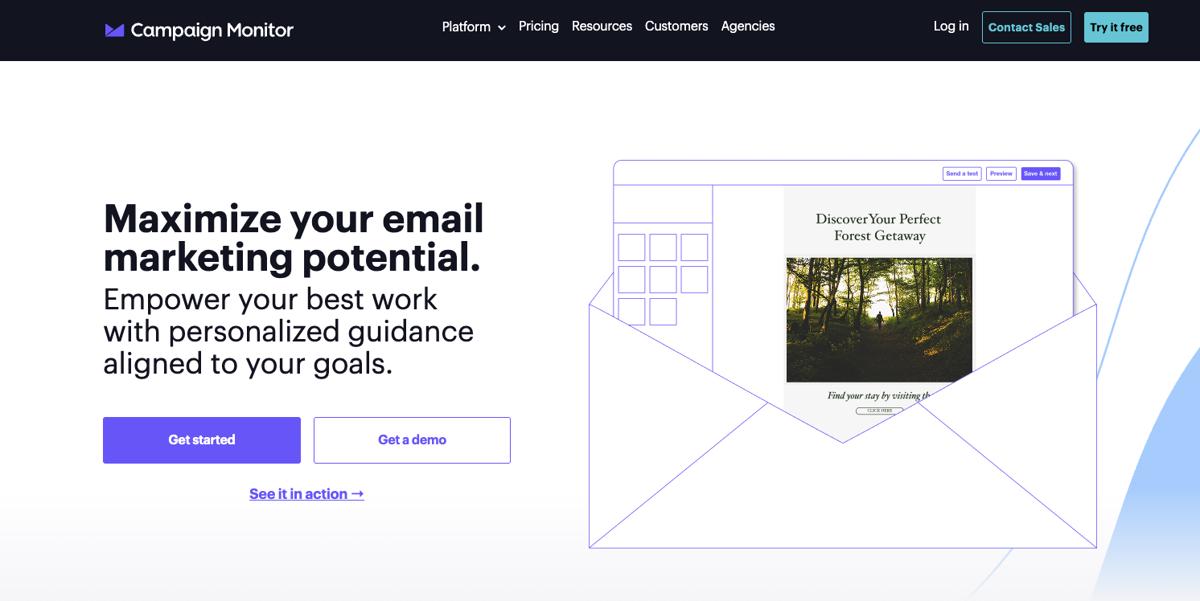
Here are some good examples along with our comments:
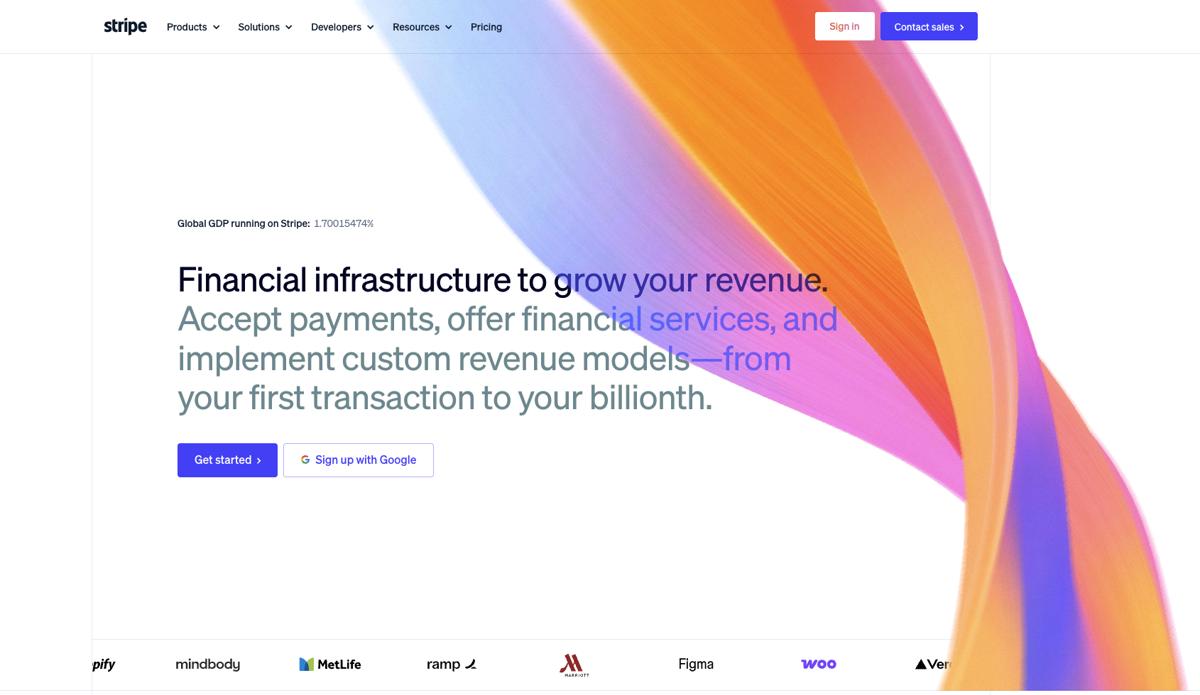
Stripe has since evolved this headline to lead with revenue growth rather than infrastructure alone, a small but telling shift toward benefit-first language over category description.
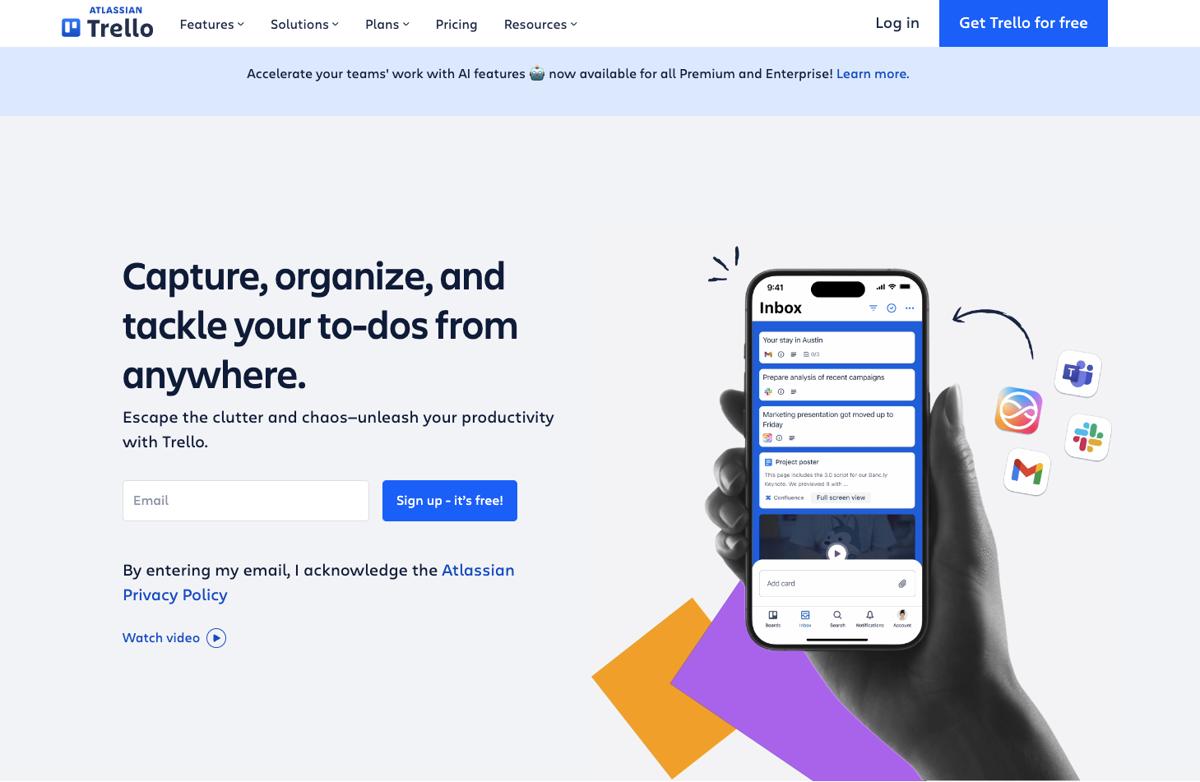
3. Trello
Comments
Clear statement about what Trello does for you in the sub-heading.
Elaboration on the benefits to the user for using this tool.
Relevant images that show collaboration in action.
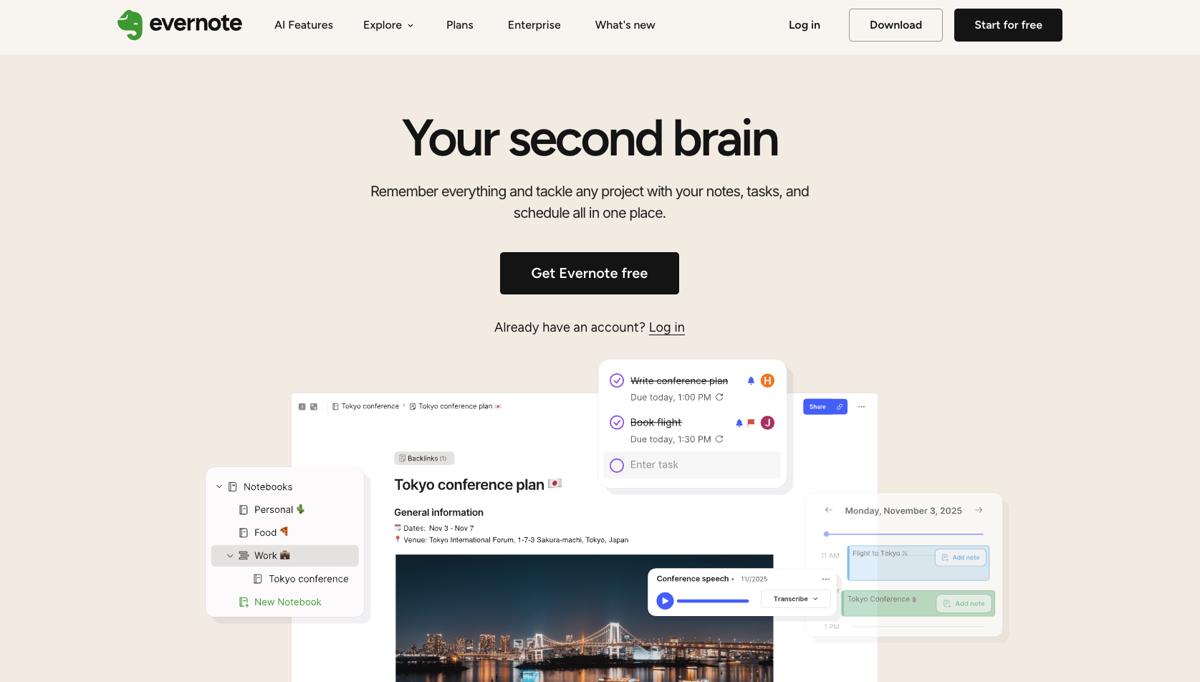
4. Evernote
Comments
Heading speaks to larger benefits for your life.
Subheading takes you into how Evernote delivers those benefits.
Clear call to action.
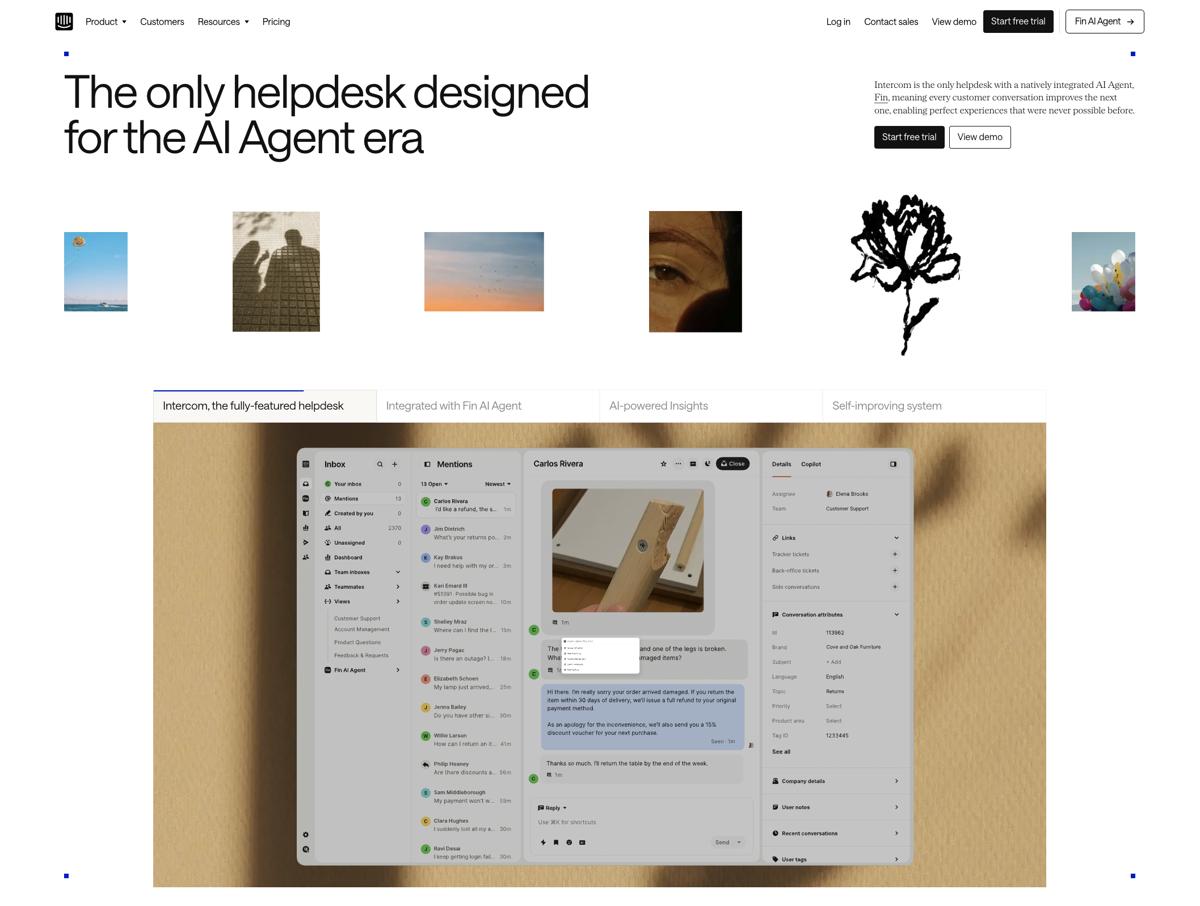
5. Intercom
Comments
Headline positions Intercom as the helpdesk built for the AI agent era.
Lead paragraph explains its native AI differentiation.
Relevant product imagery.
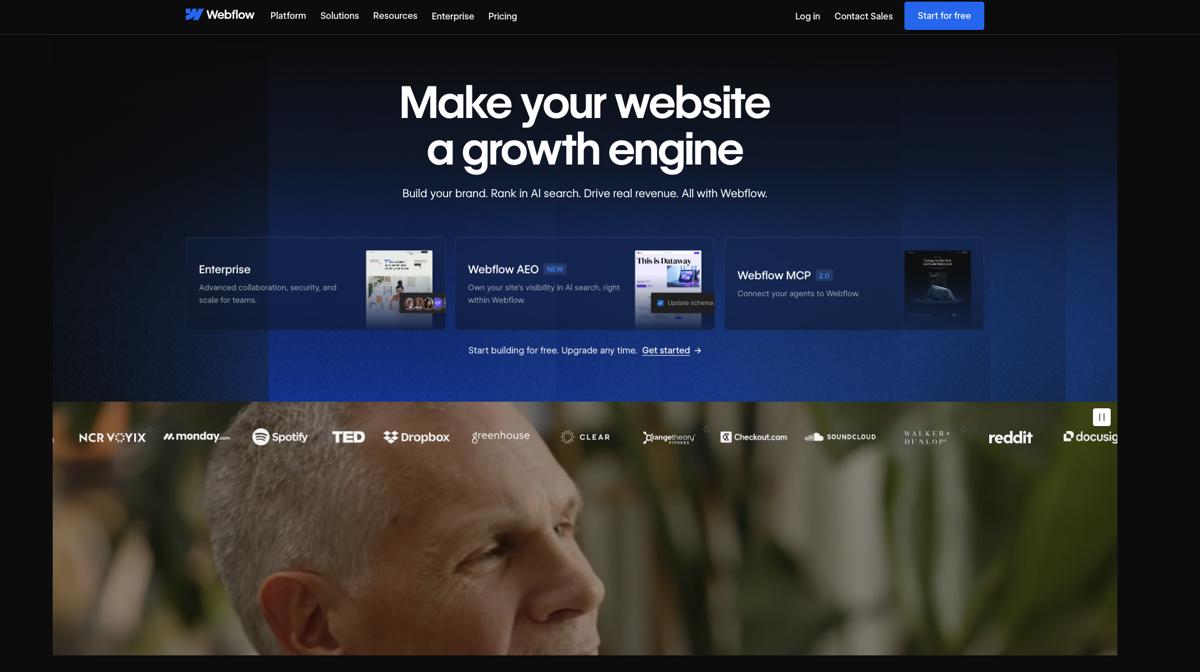
6. Webflow
Comments
Headline clearly positions Webflow for modern website teams.
Lead copy combines building, optimization, and AI search in one platform.
Product-led visual reinforces the website-building proposition.
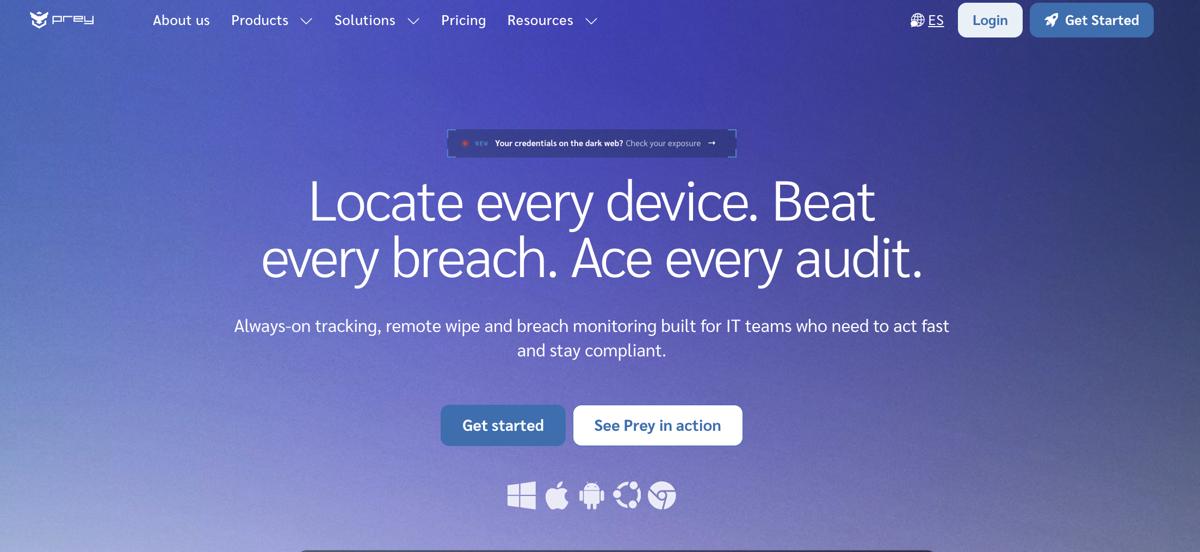
7. Prey
Comments
The headline is okay, but it could be clearer (e.g. “Keep track of your laptop, phone, or tablet. Get it back when it gets stolen or lost.”)
The following paragraph does a good job explaining how Prey is useful.
Offers an immediate test option (up the top).
Poor value proposition examples, and their updates
Some lessons from the department of “Don’t do this!”
1. Cloudflare
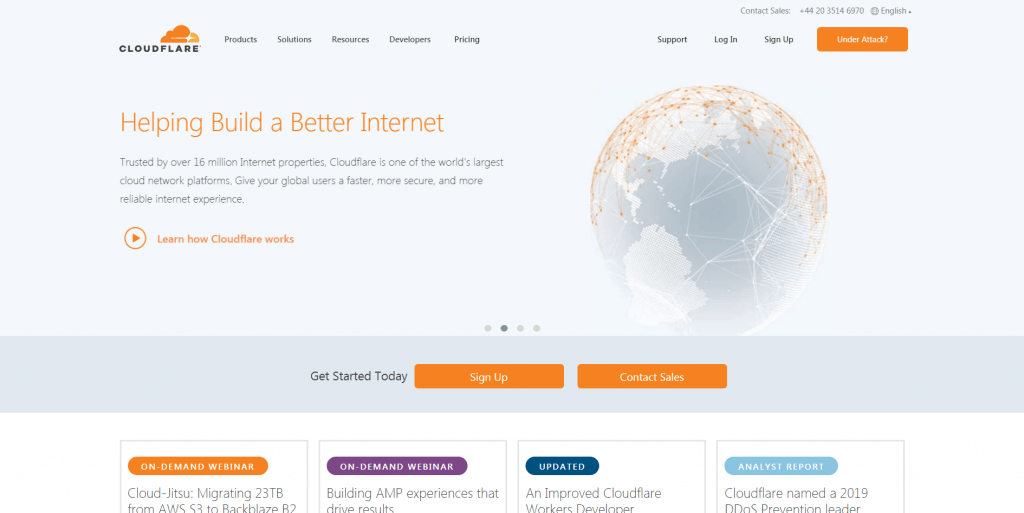
Here’s Cloudflare’s evolution.
From this:
Comments
Awful clarity: “Helping Build a Better Internet”? Nobody will understand what that means, nor does it solve anyone’s problem.
Subheading offers some clarity and detail, but that information should be in the heading.
Image looks like a stock photo.
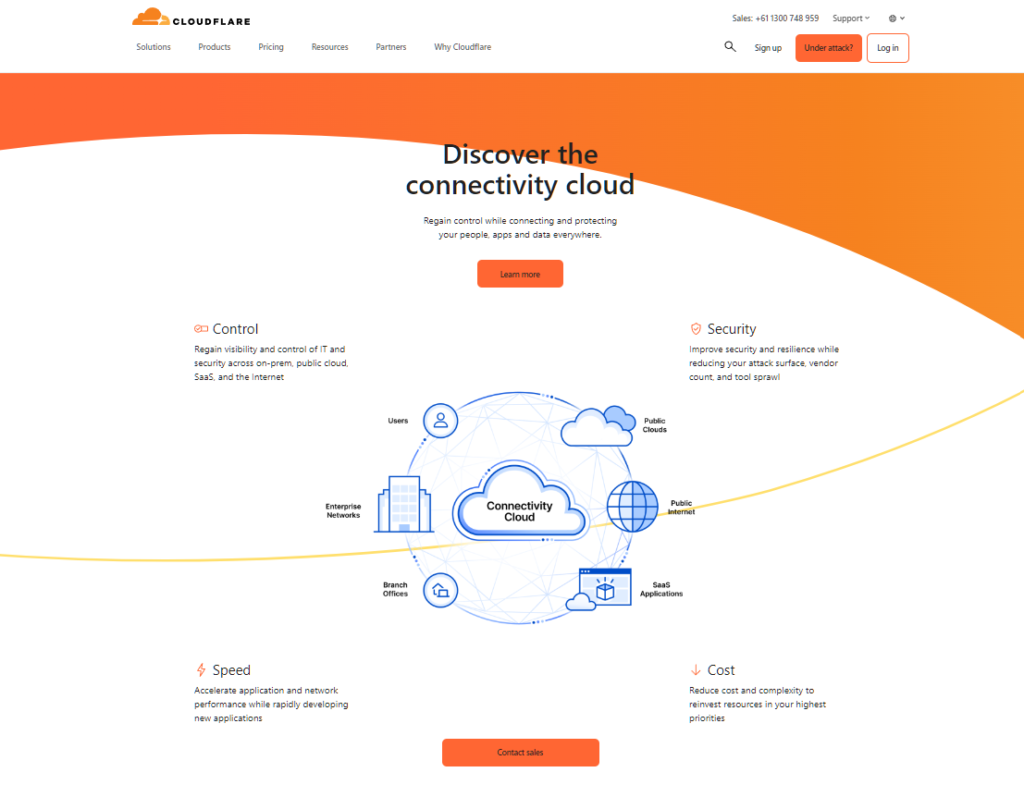
Then:
Comments
Still lacking clarity in the heading as to what benefits it’s offering.
Subheading is a lot more benefit-focused than the previous version.
Image is at least custom and applicable, but the placement of text around it is odd and doesn’t quite fit.
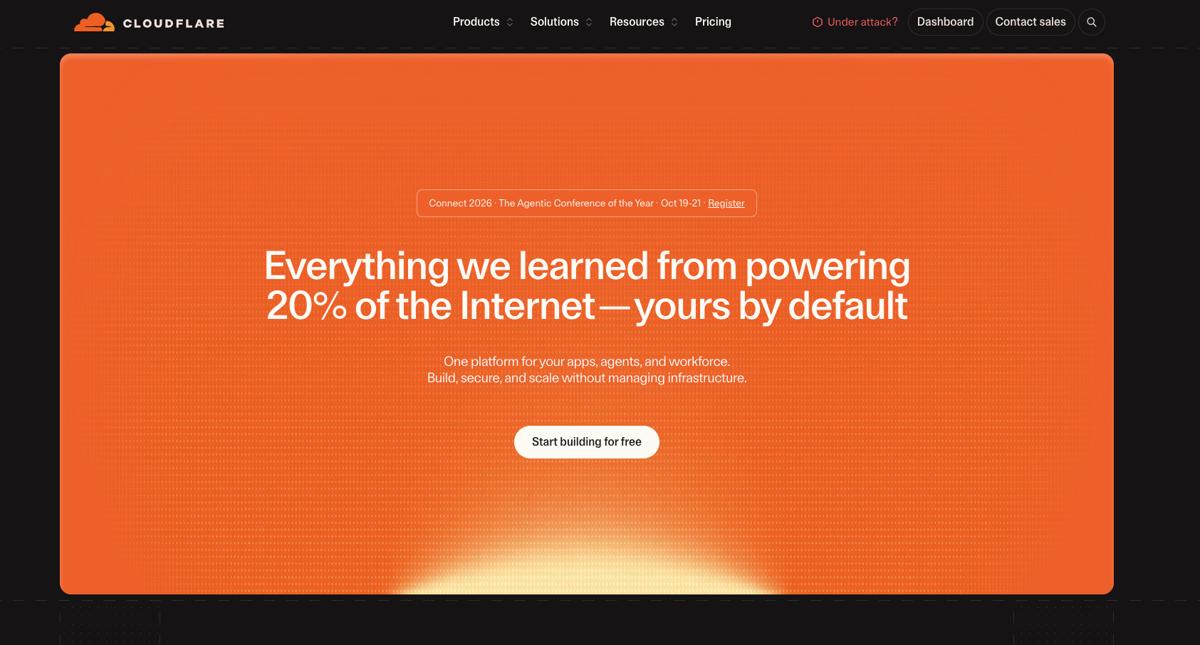
To this:
Cloudflare has moved again, leading with “Everything we learned from powering 20% of the Internet—yours by default,” backed by a clearer proposition: one platform to build, secure, and scale apps, agents, and workforces without managing infrastructure. The 20% figure adds concrete proof to the promise, while the supporting copy makes the customer value explicit.
2. Continuum Financial
Here’s Continuum Financial’s evolution.
From this:
Comments
No proper value proposition in place at all: the headline congratulates the company on its five-year anniversary.
Awkward phrasing if not flat-out incorrect (“…we look forward continuing to deliver…” and “What stage of your financial journey are you at?”)
No imagery above the fold; those below are stock photos.
To this:
Comments
The heading at least refers to value the company can offer: financial happiness.
The subheading expands on the heading: the company offers trustworthy, simplified financial assistance.
Background image might not seem immediately applicable, but it alludes to the results people often hope for when reaching their financial goals.
So how do you make your offer unique? Often, it’s hard to spot anything unique about your offering. It requires honest self-reflection and discussion.
How do you write a unique value proposition?
If you can’t find anything, you’d better create something. Of course, the unique part needs to be something customers genuinely care about. There’s no point being unique for the sake of being unique (e.g. “the ball bearings inside our bicycles are blue”). Even if what you sell isn’t unique, you can still come up with a great value proposition.
What customers value matters more than novelty: Qualtrics’ research found that value for money was the leading reason consumers chose to do business with a brand (46%), followed by product or service quality (42%) and convenience (41%).
Here are two resources that can help you find a “theme” or angle for your value proposition:
How Uber measures value perception, a practical framework for identifying which parts of your offer customers perceive as most valuable.
Remember: you don’t need to be unique to the whole world, just in the customer’s mind. The closing of a sale takes place in a customer’s mind, not out in the marketplace among the competition.
Use “boosters” for your value proposition
Sometimes, little things tip the decision in your favour. If all major things are pretty much the same between you and your competitors, you can win by offering small value-adds. We call them boosters.
These work well against competitors who don’t offer them. Boosters can be things like:
Free shipping;
Fast shipping/next-day shipping;
Free bonus with a purchase;
Free setup/installation;
No setup fee;
No long-term contract, cancel any time;
License for multiple computers (vs. one);
(Better than) money-back guarantee;
A discounted price (for a product);
Customisable.
Think about what small things you could add that wouldn’t cost you much but could be attractive to some buyers.
Make sure the booster is visible alongside the rest of the value proposition.
Example of a value proposition “booster”
The “Free Shipping” sign in the top left is a booster example.
How do you test your value proposition?
You have to test your value proposition. There are three main ways to do it.
1. Message testing
By far the best way to test your value proposition is to put it in front of the very people you’re trying to market to and get their perception of it. This is what message testing is for. It tells you exactly what your ideal target customers think:
Do they find it clear?
Is it relevant to them? Do they get that it’s for them?
Most importantly: do they want the value promised? Does it make them go “I want that”?
And finally, is it differentiated? Is it clear why they should choose you over alternatives?
You will get rich qualitative information on how and where it’s falling short, so you can improve it.
The best way to conduct message testing is with a tool like Wynter.
2. A/B testing
Another good way to test your value proposition is to craft two candidates (or more, if you have plenty of traffic) and split test them. This will take at least four weeks on most sites, and requires a minimum of 500 signups/conversions per month. (You need to do proper sample size calculations upfront to know exactly how many.)
The limitation here is that A/B testing will only tell you if B is better than A, and by how much. It tells you nothing about the “why.” It offers no insight into how to improve your value proposition, unlike message testing.
Another way to go about it is to use Google Ads or Facebook Ads. This can be costly and takes at least one to two weeks.
Split test ads with different value propositions that target the same customer. The ad with a higher click-through rate signals a possibly better attention grabber and interest generator, but on the downside, it doesn’t necessarily mean higher sales conversions.
Send the traffic to a corresponding landing page and test conversions, too.
How is AI changing value proposition testing?
AI has not changed what makes a value proposition work. Specificity, evidence, and customer language still beat clever copy. What has changed is the speed at which you can generate and test candidates.
Marketers can now use AI to draft a dozen headline and sub-headline variants from a single set of customer-interview transcripts in minutes, rather than one writer staring at a blank page. That’s useful for volume, but it introduces a new risk: AI-generated copy tends to default to generic, feature-forward phrasing unless it’s grounded in genuine customer quotes and data. CXL’s research on how B2B marketers use AI found that most teams are still stuck using AI for task-level acceleration, such as drafting faster, rather than using it to run the full message-testing and iteration loop end to end.
The practical workflow that holds up in 2026: feed AI actual customer interview notes, support tickets, or Wynter message-testing results, not just a brief, then have it draft variants against the headline/sub-headline/bullets/visual structure above. A human still needs to run the message test and make the final call, because AI models cannot tell you whether buyers want what you’re promising. Verifying that output against genuine customer signal is the skill gap CXL’s 2026 AI Maturity Benchmark flags most often among B2B marketing teams: most are comfortable using AI to draft, far fewer have built the trust and verification step needed to ship that output without a manual rewrite.
FAQ
What’s the difference between a value proposition and a unique selling proposition (USP)?
A value proposition describes the full promise of value to a customer: relevancy, quantified benefit, and differentiation, usually presented as a headline, sub-headline, and supporting bullets. A USP is narrower: it’s the single specific claim that sets you apart from competitors, often just one line within the larger value proposition. Every USP should support a value proposition, but not every value proposition needs a single standout USP to work. See more USP examples for the distinction in practice.
How long should a value proposition be?
Short enough to be read and understood in about five seconds for the headline, with a supporting sub-headline or short paragraph (two to three sentences) and three bullet points for detail. If a visitor has to reread it or ask “wait, what do they do?”, it’s too long or too vague.
Where should a value proposition appear on a website?
On the homepage above the fold, and at every other major entry point to the site: landing pages, category pages, and product pages. Visitors don’t only arrive through the homepage, so a value proposition that only lives there misses a large share of first impressions.
Can AI write my value proposition for me?
AI can draft variants quickly, but it can’t tell you which one is true, differentiated, or wanted by your buyers. The best current workflow uses AI to generate options grounded in genuine customer language (interview transcripts, support tickets, message-testing data), then has a human validate the result with actual prospects before it goes live.
How do I know if my value proposition is working?
Test it. Message testing (via a tool like Wynter) tells you whether target customers find it clear, relevant, wanted, and differentiated, plus why it’s falling short if it is. A/B testing tells you whether one version converts better than another, but not why. Use both: message testing to diagnose and improve, A/B testing to confirm the improvement holds up with real traffic.
How often should a company revisit its value proposition?
Whenever your market, competitors, or ICP shift meaningfully, and at minimum once a year. The Cloudflare example above shows a company revising its value proposition multiple times over several years as its business and buyers changed. A value proposition is a living asset, not a one-time deliverable.
Conclusion
You need a value proposition, and you need to communicate it clearly on all the main entry pages: homepage, product pages, category pages, and so on.
If you don’t state why users should buy from you, you will lose most of them. To craft a great value proposition:
Focus on clarity above all else.
Use the headline, sub-headline, bullets, and image formula.
Test, test, test.
Go deeper
If you want to build this skill systematically rather than one article at a time, these CXL resources go further:
B2B Product & Brand Messaging: a hands-on course for building a value proposition that makes your brand stand out and aligning messaging across marketing, sales, and product.
The AI Native Marketer programme, if you want to build the skill of using AI to accelerate research and copy testing without losing the judgement that makes a value proposition credible.
Over the last years, Google Data Studio has evolved from an appealing but clunky application to a tool that we recommend to any digital marketer.
Data Studio allows you to communicate data simply and in a repeatable format, and their expanded integrations, customizations, and editability have made Data Studio dashboards extremely powerful.
A relatively new feature, data blending, came out last year. This underused function can do a lot of cool things; it also has some limitations. Once you’ve got your head around the basics, the possibilities are endless.
A/B testing is a controlled experiment that compares a control with one or more variations to determine how a change affects a defined outcome. Traffic is randomly allocated between variations, often evenly, although a 50/50 split is not required.
A reliable A/B test starts with a clear hypothesis, sufficient sample size, predefined success metrics, and a valid stopping rule. The goal is not simply to find a “winner,” but to reduce uncertainty and learn which changes improve customer and business outcomes.
The easier your website is to use, the more people use it. An essential part of “easy to use” is intuitiveness. Intuitive design means that when a user sees it, they know exactly what to do.
A six-week live cohort for marketers. Every week you build one AI native workflow you can use at work: a 90-minute live workshop on Tuesday, then you build it on your own data with us in the community, and demo it on Friday.
You don't need more AI tips. You need five working AI workflows. Starts 28 September.
Join 140,000+ marketers and get a weekly expert-led newsletter focused on helping marketing teams overcome growth challenges, punch above their weight, and crush their competition.