There’s no denying the excitement around artificial intelligence in marketing.
Everywhere you look you’ll see claims that AI agents can write email sequences, create personalized landing pages, and even replace entire teams overnight.
But as Eric Linssen, Growth Lead at Keyplay, explains from his work with over 100 B2B companies, impressive automation without a solid strategy delivers empty metrics, such as clicks that never convert and pages that never book meetings.
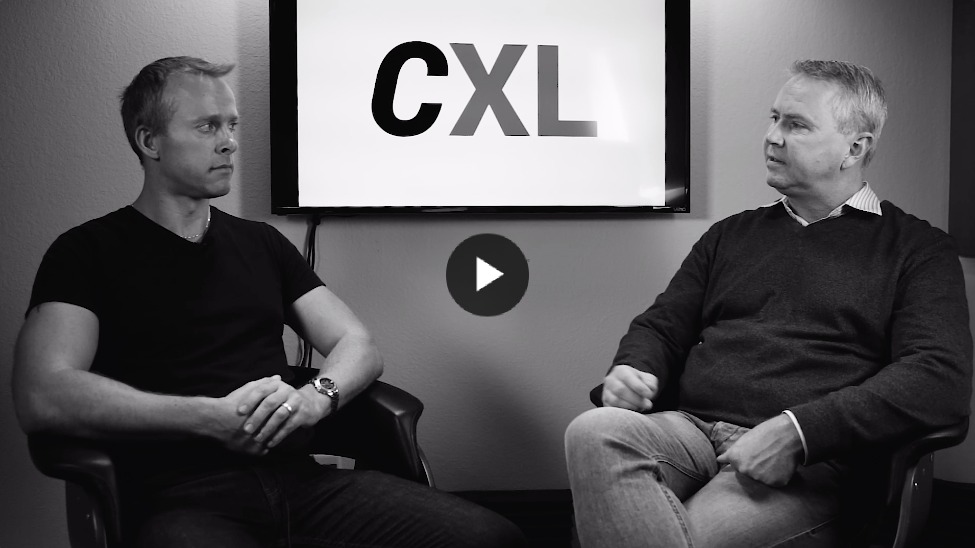
In our recent webinar Eric showed how teams combining machine-driven insight with human creativity are those that consistently deliver results.
This article explores how to move beyond simple automation and use AI to focus every step of your ICP and ABM approach.
You will learn how to progress through three tiers of ICP targeting, develop segmentation based on real business context, and assemble the ideal technology stack.
By the end you will have a clear roadmap to deliver the right message to the right account at the right time, and to scale that approach effectively.
Table of contents
- Why AI-generated ABM content often fails
- The three tiers of ICP targeting (and why tier 3 wins)
- Segmentation strategy: From lazy filters to buyer context
- Fixing retention through targeting
- AI for signal, humans for strategy
- The modern ABM stack that supports precision
- TL;DR – The strategic AI-ABM blueprint
- AI for signal, humans for story
Why AI-generated ABM content often fails
“Performance theater” vs performance marketing
Imagine launching one hundred hyper-personalized landing pages overnight, each greeting the prospect by name and each featuring a customized hero image, only to discover in your CRM that few meetings were booked.
That scenario illustrates what Eric Linssen calls “performance theater.” All that effort looks impressive on paper, but it lacks substance and relevance.
Those generic AI-crafted campaigns only amplify the problem if the underlying messaging does not reflect genuine buyer needs.
“AI can’t fake insight, it can only scale what is already good.”
– Eric Linssen
True performance marketing focuses on pipeline outcomes rather than vanity metrics. It requires carefully targeting accounts ready to engage and delivering messages that address their specific challenges.
The three tiers of ICP targeting (and why tier 3 wins)
Every account-based program starts with an Ideal Customer Profile, but not all ICPs perform equally well. They break down into three distinct tiers:
Tier 1 – Firmographics only
This simplest level filters accounts by attributes such as industry, headcount, and revenue bands. It is easy to set up but blunt in its precision.
For example, a filter for software companies of 200–500 employees might group Airbnb with Motel 6—neither of which may actually need your mid-market analytics solution.
Tier 2 – Technographics plus basic intent
To refine your list you add the technologies an account uses and look for intent signals like webinar registrations.
This approach improves the match rate but still results in noise. Many accounts test a tool without genuine purchasing intent.
Tier 3 – Situational & behavioral targeting
Tier 3 incorporates dynamic, real-time signals that reveal a company’s readiness to buy:
- Hiring trends (for example, openings in revenue operations)
- Product announcements or major feature releases
- Tech stack changes detected through website scripts
- Traffic spikes on key pages
These signals feed into a composite score managed by platforms such as Keyplay, which ranks accounts by both fit and urgency.
One client that adopted Tier 3 targeting halved their cost per qualified lead and doubled conversion rates by prioritizing accounts exhibiting these live buying signals.
“Tier 3 ICPs aren’t personas, they are real-world buying behavior signals.”
-Eric Linssen
Segmentation strategy: From lazy filters to buyer context
Old Way: Group by industry, region, title
The traditional approach slices the CRM by sector, geography, and role. This method groups companies with vastly different priorities under a single label, resulting in outreach that feels generic and ineffective.
New way: Segment by situation
Before you roll out new segments at scale, it’s best to start with a small test cohort. Our article on Running a Pilot ABM Program walks through setting up a 30-day trial, measuring key metrics, and scaling only the signals that move the needle.
Strategic segmentation then clusters accounts by business context, matching your message to their current needs:
| Signal type | What it indicates | Suggested play |
| Hiring RevOps Lead | Company scaling go-to-market | Send a revenue operations playbook |
| Switched CRMs | Reevaluating technology stack | Trigger an email on CRM integration best practices |
| New Round of Funding | Available budget | Propose high-value solution packages |
A fintech firm saw a threefold increase in meetings by targeting accounts posting multiple data-engineering roles and sending them a case study on analytics for fraud detection at just the right moment.
“Segmenting by behavior, not industry, cuts cost and boosts conversion.”
-Eric Linssen
Modern tools like Clay and Common Room ingest signals from job sites, press feeds, and social media to automate this segmentation without manual spreadsheets.
Fixing retention through targeting
Effective targeting lifts not only acquisition metrics but also retention. When you engage accounts that truly need your solution, onboarding runs smoothly, adoption accelerates, and churn declines.
One mid-market SaaS client reported:
- A 40% reduction in cost per qualified lead
- A 25% shorter sales cycle
- A 30% decrease in first-year churn
Those improvements unlocked significant expansion revenue, as satisfied customers renewed and increased their usage. For a deeper dive into how ABM drives predictable revenue growth, check out our guide on Turning ABM Strategy into Revenue, which shows real-world examples of up to 30% more revenue per account year over year.
“Retention starts before the first sales call, it starts with who you target.”
-Eric Linssen
AI for signal, humans for strategy
AI excels at signal detection and data enrichment: parsing thousands of accounts, scoring intent, and surfacing champions.
However, crafting the narrative and orchestrating a multi-channel campaign requires human judgment.
Here’s how responsibilities divide:
| AI tasks | Human tasks |
| Detect technology scripts on prospect websites | Write messaging tailored to the buyer’s situation |
| Monitor engagement spikes and demo requests | Design campaign strategy and channel cadences |
| Score accounts by composite ICP and intent signals | Choose timing and personalization depth |
| Enrich CRM records with real-time behavioral data | Create emotionally resonant copy |
AI may flag an account that has switched CRMs, but it’s a human who crafts an email referencing that change in a way that resonates with the prospect’s pain points.
The modern ABM stack that supports precision
To bring this approach to life, assemble a technology stack that maps directly to your ABM workflow:
- Account selection
- Keyplay merges firmographic, technographic, and behavioral data into a 1–10 ICP score, letting you instantly spot and prioritize the accounts with the strongest fit and intent.
- Vector and Common Room surface web and social intent signals—tracking content engagement and “champion signals” from community forums straight into your CRM.
- Swarm, Campfire, Amen, and Usergems monitor stakeholder activity to identify and re-engage buying champions.
- Keyplay merges firmographic, technographic, and behavioral data into a 1–10 ICP score, letting you instantly spot and prioritize the accounts with the strongest fit and intent.
- Account engagement
- Clay ingests job-posting feeds, funding alerts, or site updates and auto-tags accounts in Salesforce or your marketing automation platform—triggering the next ABM play the moment a high-value signal appears.
- LinkedIn Ads delivers sponsored content directly to your narrow, high-fit audiences.
- Unbounce powers rapid A/B tests of personalized landing pages when deep, one-to-one experiences are warranted.
- Clay ingests job-posting feeds, funding alerts, or site updates and auto-tags accounts in Salesforce or your marketing automation platform—triggering the next ABM play the moment a high-value signal appears.
- Measurement & operations
- Looker centralizes pipeline and revenue reporting, correlating specific ICP signals with closed-won outcomes.
- Feedback loops via Common Room, Clay, and Usergems ensure every engagement and signal refines your ICP model over time.
- Looker centralizes pipeline and revenue reporting, correlating specific ICP signals with closed-won outcomes.
To see full campaign templates, timing cadences, and success metrics that align with this stack, explore the ABM Playbook for step-by-step guidance on each phase of your program.
With this stack in place, your technology amplifies precision rather than masking strategic gaps, so every campaign move is driven by the signals that truly matter.
TL;DR – The strategic AI-ABM blueprint
- AI outreach does not guarantee revenue
- Segment by real-time business context, not by industry alone
- Targeting high-fit accounts boosts retention and expansion
- Use AI for data and signal detection, humans for narrative and strategy
- Define your motions first, then choose the right tools
- Automate signal detection, personalize context manually
- Precision is your competitive advantage
AI for signal, humans for story
As AI technology advances, the allure of full automation grows. However, the most effective teams remember that AI is a force multiplier, not a magic solution.
Combining AI’s scale in targeting with human empathy and creativity produces campaigns that drive pipeline, retention, and growth.
Ready to see these tactics in action? Watch our on-demand CXL webinar with Eric Linssen: Using AI for ICP Targeting & ABM. You’ll see detailed demos and concrete workflows that bring this framework to life.
Move beyond experimentation and turn AI into a working part of your marketing strategy with AI in Marketing courses.
Related Posts
-

By adjusting LinkedIn Ads to target job function versus job title, Cognism's pipeline increased 26%.…
-

Do you need to be a big company and need large volumes of traffic to be data…
-

ABM works - when it's done right. Taking shortcuts can cost you time and money.…
-
Most B2B marketers chase traffic like it’s the end goal: blogs, webinars, social content, the…