Digital Elite Camp 2019 Recap: Takeaways from Every Speaker

There were 167 spots available for Digital Elite Camp this year. Filling them wasn’t hard given the location and the lineup.
There were 167 spots available for Digital Elite Camp this year. Filling them wasn’t hard given the location and the lineup.

A few months ago, I took my family to Dinosaur National Monument in Utah. We saw some pretty cool fossilized dinosaur bones as well as ancient petroglyphs and pictographs. There was, however, one stop that disappointed us.

“How do I come up with a unique value proposition? What I sell isn’t unique.”
If you’re working on improving your business, you know there’s no shortage of information about why you need a unique value proposition.
You’ve probably even seen a handful of solid examples, but when you go to write your own, you hit a wall.
You’ve got too many competitors, they’re selling the same stuff, and it looks like all the good value propositions are taken.
What can you do? What should you differentiation strategy be?
Testing tools are getting more sophisticated. Blogs are brimming with “inspiring” case studies. Experimentation is becoming more and more common for marketers. Statistical know-how, however, lags behind.
This post is filled with clear explanations of A/B testing statistics from top CRO experts. A/B testing statistics aren’t that complicated—but they are that essential to running tests correctly.
Here’s what we’ll cover (feel free to jump ahead):
And just in case you’re uncertain about why A/B testing statistics are so essential…

Let’s talk about a collective marketing pain: Pretty much everyone’s mobile conversions suck.

What does it take to grow a YouTube channel? Is a channel more than the sum of its video parts? Or will a strategy that focuses on videos alone increase subscribers?

In my experience, I find that teams and organizations report many winning A/B tests with high uplifts, but somehow they don’t seem to bring those uplifts in reality. How come?
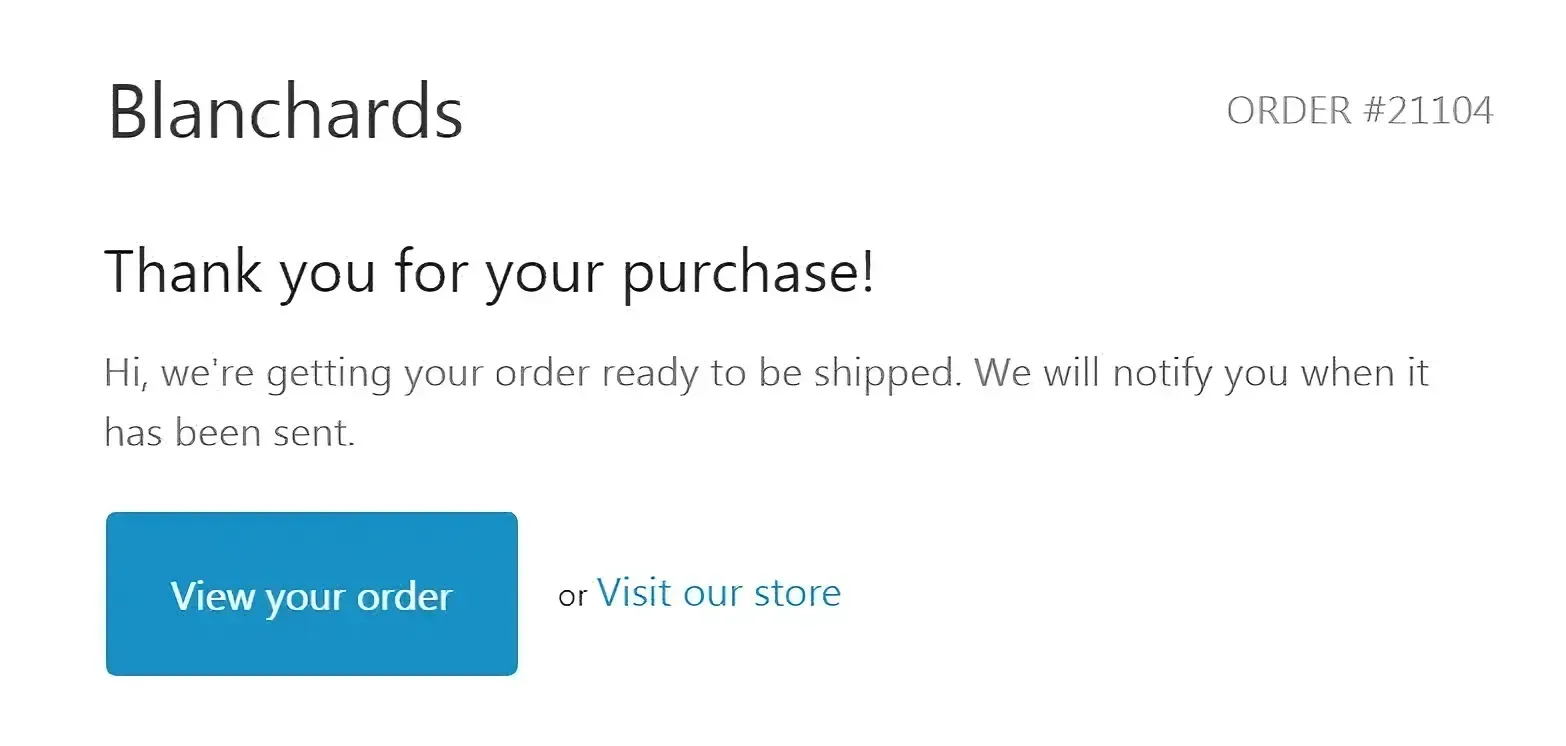
Confirmation emails are usually as delightful as your typical in-store receipt (read: not at all delightful).
Because these emails are triggered by the user’s actions, your customers are expecting something—which means they open, notice, and engage with confirmation emails more than they might with other email types.
This post will explain why confirmation emails come at a critical stage in the customer lifecycle, the three steps to make confirmation emails succeed are, and the limits of confirmation emails as a strategy.

Two percent is the average conversion rate for ecommerce sites. While every site is different—and you’ll benefit far more by focusing on your conversion rate—that’s where most sites are today.
But what if a 2% conversion rate isn’t enough to stay profitable?
A/B testing is fun. With so many easy-to-use tools, anyone can—and should—do it. However, there’s more to it than just setting up a test. Tons of companies are wasting their time and money.