All Things Growth and Marketing

When it comes to reach, no other social media platform comes close to Facebook. More than half of all active internet users worldwide use it, and two-thirds of users say they visit business pages at least once a week.

The sheer size of Facebook means there’s likely an audience for any product. But that doesn’t mean you can set up, start posting and watch the magic happen. 

Organic reach on the platform hovers around 5.2%. To succeed, you need to win the battle for attention and stay in the good graces of Facebook’s algorithm.

In this article, you’ll learn how to build and execute a Facebook marketing strategy around your audience’s interests. We’ll look at how to thrive with organic content and how to extend your reach with pay-to-play.

Keep reading

You work tirelessly to understand your customer, market, and competition so you can differentiate. Voice-of-customer (VoC) research, user research, competitor research, and insights on jobs-to-be-done (JTBD) can inform your marketing strategy. 

Brand tracking is how you measure if those efforts are paying off.

Brand tracking provides both qualitative and quantitative answers to crucial questions:

  • How do your customers perceive your brand?
  • Are your campaigns driving conversions?
  • Do consumers know who you are?
  • Does your messaging at each touchpoint match customer intent? 
  • Is your brand part of most consumers’ consideration set?
  • Have you built perceived value?  

You work tirelessly to understand your customer, market, and competition so you can differentiate. Voice-of-customer (VoC) research, user research, competitor research, and insights on jobs-to-be-done (JTBD) can inform your marketing strategy. 

Brand tracking is how you measure if those efforts are paying off.

Brand tracking provides both qualitative and quantitative answers to crucial questions:

  • How do your customers perceive your brand?
  • Are your campaigns driving conversions?
  • Do consumers know who you are?
  • Does your messaging at each touchpoint match customer intent? 
  • Is your brand part of most consumers’ consideration set?
  • Have you built perceived value?  

In this article, we’ll share key brand tracking metrics and methods for how to measure and optimize your success. 

Keep reading

“You have to spend money to make money.”

This seemingly good-natured advice has spelled doom for millions of businesses worldwide. 

While it’s true that businesses occasionally need to spend more upfront to validate their idea, doing so with a complete disregard for unit economics can be fatal.

That’s why Customer Acquisition Cost (CAC) is such a critical metric. It’s the single most important indicator to prevent reckless spending. In this post, we’ll show you how to calculate CAC, plus share a few tips to help you maintain it at a healthy level. 

Keep reading

The classic lifespan of successful products is a story in four parts:

  1. Introduction
  2. Growth
  3. Maturity
  4. Decline

How this story plays out has a lot to do with the type of product and how it’s improved over time, if at all.

However, the shape of the curve—the length of the arc and the speed of the decline—is also determined by how you market that product at each stage of its life. 

In this article, we’ll look at the different stages of the product lifecycle through the lens of marketing. You’ll learn about the different strategies available and the impact they’ll have on the future of your product.

(Want to learn more about product marketing? Take the Product Marketing Certification Training program).

Keep reading

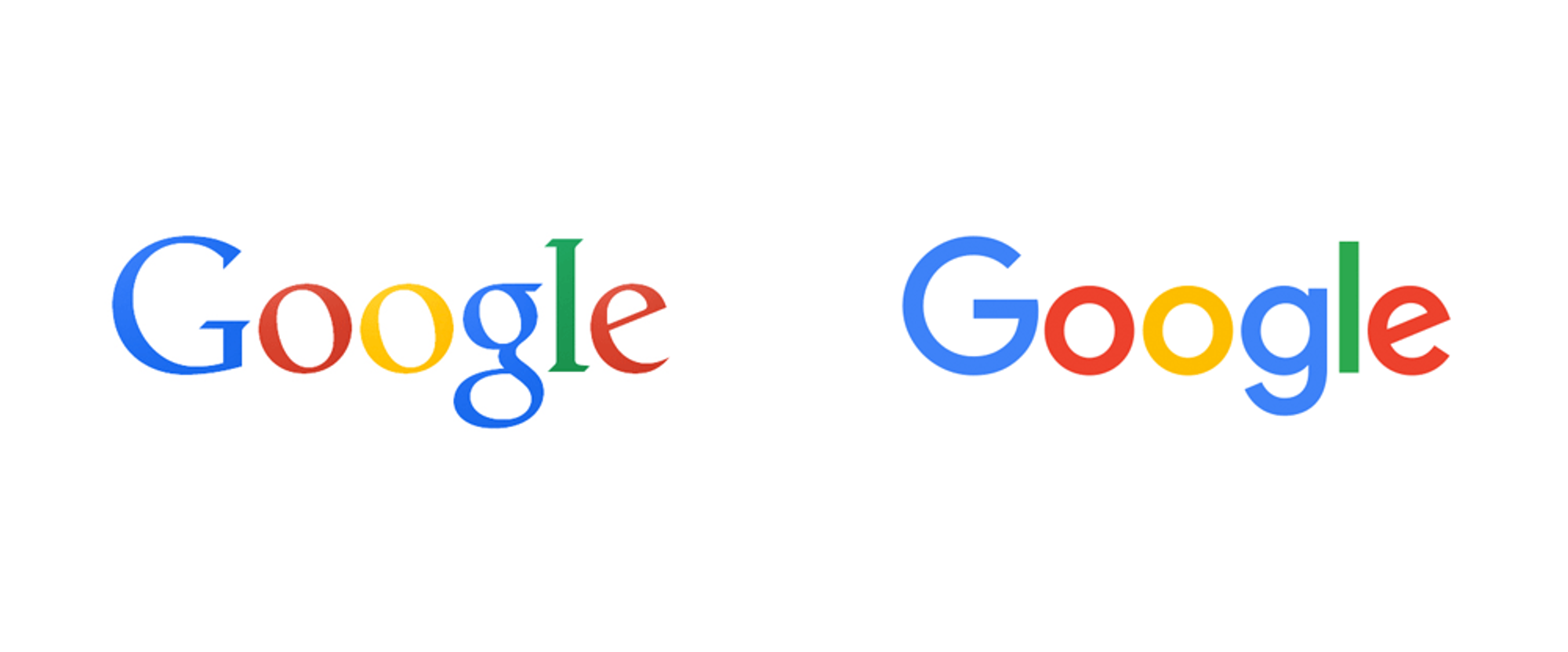
Google Logo Redesign

What’s the value in a logo?

It’s a question that’s been asked a lot lately, especially with companies like Instagram, Uber, and Google drawing both ire and admiration from their new logo changes.

We all have an opinion (some have strong opinions) on these changes, but no one really measures their effectiveness – which is what matters really.

How do we answer the question: is your logo actually working?

Keep reading

Product announcement

Research shows that for every $1 you spend on email marketing, you can expect an average return of $42. Compare that to paid advertising where the average ROI is $2 for every $1 spent. 

You can see why email is such a crucial part of an effective product launch strategy

Email is profitable because it allows you to talk directly to your audience. You don’t have to rely on ever-changing algorithms and hope your message reaches the intended segment. Email gives you a direct, unobstructed means of communication, thus a bigger return.

In this article, we’ll cover what’s needed to grab attention in a stacked inbox. Then, we’ll break down 10 successful product announcement emails, looking at why they work and what you can learn from them.   

Keep reading

Categories

AI agents for B2B marketing

Automate content, SEO, and ads. Add buyer strategy, content funnels, apps, and AI readiness.

This program is designed to keep you up-to-date with B2B marketing and AI.

Check out the program